Description
Electrically Heated Sample Lines for Analytical and Process Applications
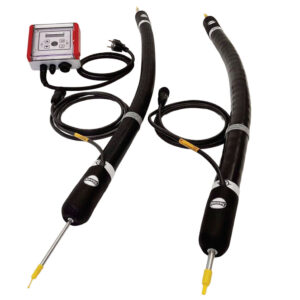
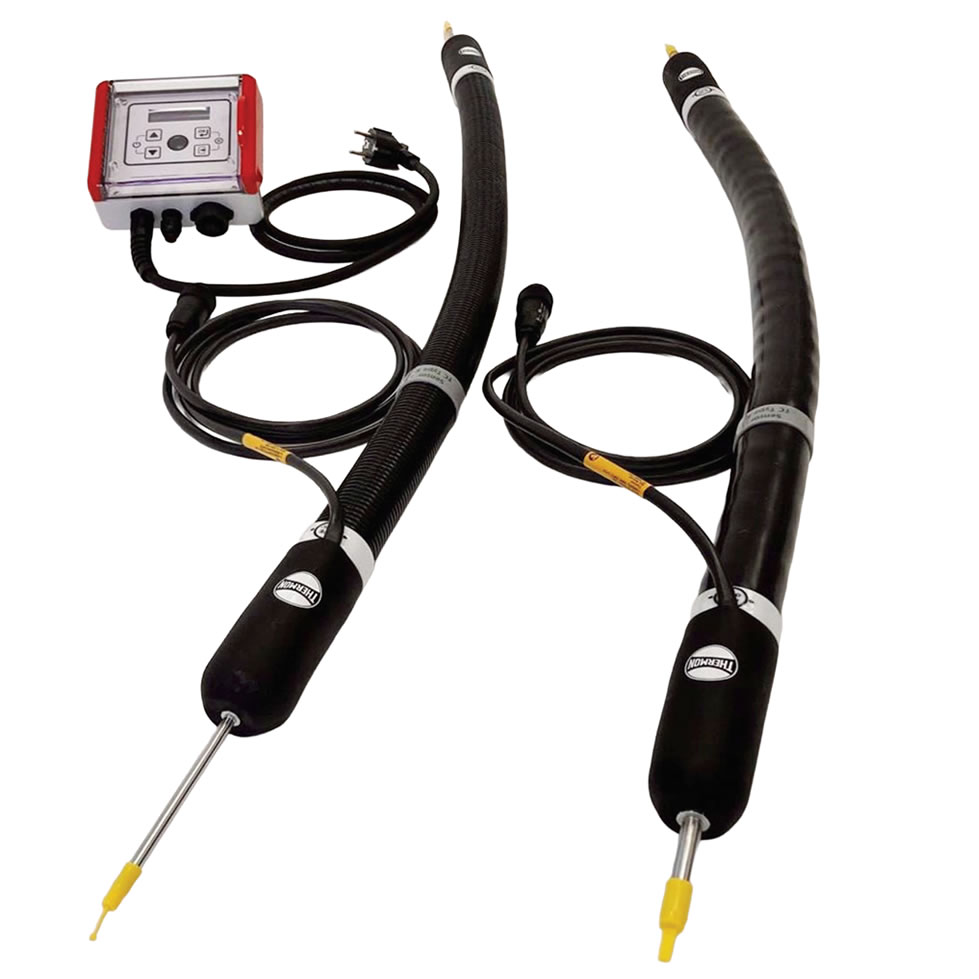
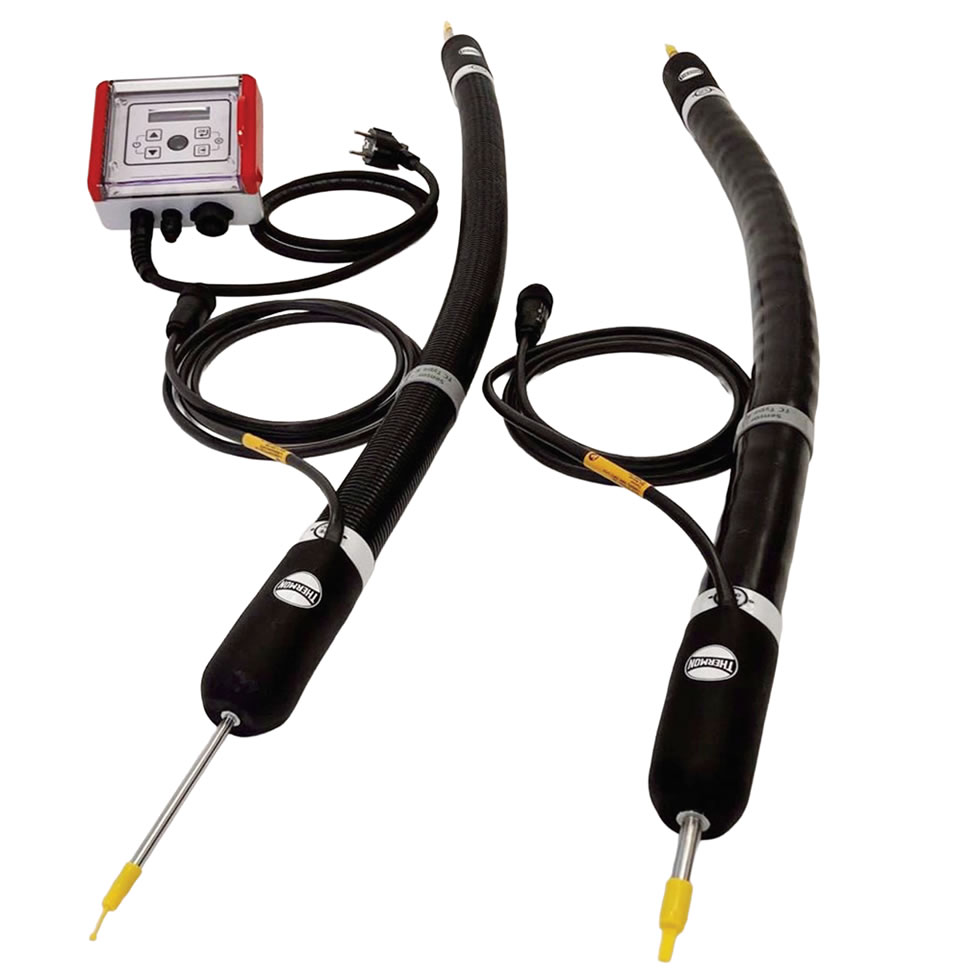
Thermon Heated Sample Lines 1000 are engineered electrically heated tubing solutions designed to maintain sample lines at the required temperature during transportation from a sampling point to an analyzer or analytical system.
Maintaining the correct sample temperature is critical in analytical applications because excessive cooling can cause condensation, changes in sample composition, plugging, or inaccurate measurement. Thermon’s electrically heated tubing-bundle technology provides a controlled heating system around the process tube to help maintain the required operating temperature.
Thermon’s heated tubing specifications emphasize the importance of selecting heat tracing, insulation and temperature sensing according to the process conditions and required tube temperature.
Key Features
- Electrically heated sample-line construction
- Factory-assembled tubing bundle
- Designed for analytical and process sampling systems
- Helps maintain sample temperature during transportation
- Reduces the risk of condensation and freezing
- Compatible with temperature-control and monitoring systems
- RTD temperature-sensing options
- Multiple tubing materials and configurations
- Suitable for continuous and intermittent process sampling
- Custom lengths and configurations available
- Thermon heat-tracing systems integrated with the tubing bundle
What Is a Heated Sample Line?
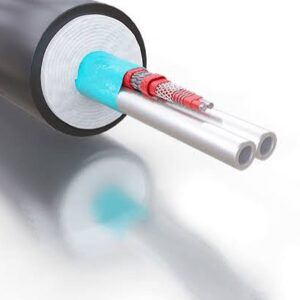
A heated sample line is a process tube surrounded by insulation and an electrical heat source.
The basic arrangement can be represented as:
Process Sample → Heated Tube → Insulation → Electrical Heat Tracing → Protective Jacket
The electrical heat tracing compensates for heat loss from the sample line to the surrounding environment. This allows the sample to arrive at the analyzer at a controlled temperature.
For analytical systems, this is especially important when the sample contains components that may condense when the temperature decreases.
Why Temperature Maintenance Is Important
A sample taken from a process may have a significantly higher temperature than the surrounding environment. As the sample travels through a conventional unheated tube, heat is gradually lost.
If the sample temperature falls below its required dew point, condensation can occur inside the tubing.
This can result in:
- Loss of soluble components
- Changes in sample concentration
- Contamination
- Blockage of the sample line
- Unstable analyzer readings
- Increased maintenance
- Reduced analyzer reliability
A heated sample line helps maintain the required temperature throughout the transport path.
Thermon’s specifications specifically address tube/line temperature sensing and recommend appropriate temperature control where accurate temperatures must be maintained.
Electrically Heated Tubing Bundle
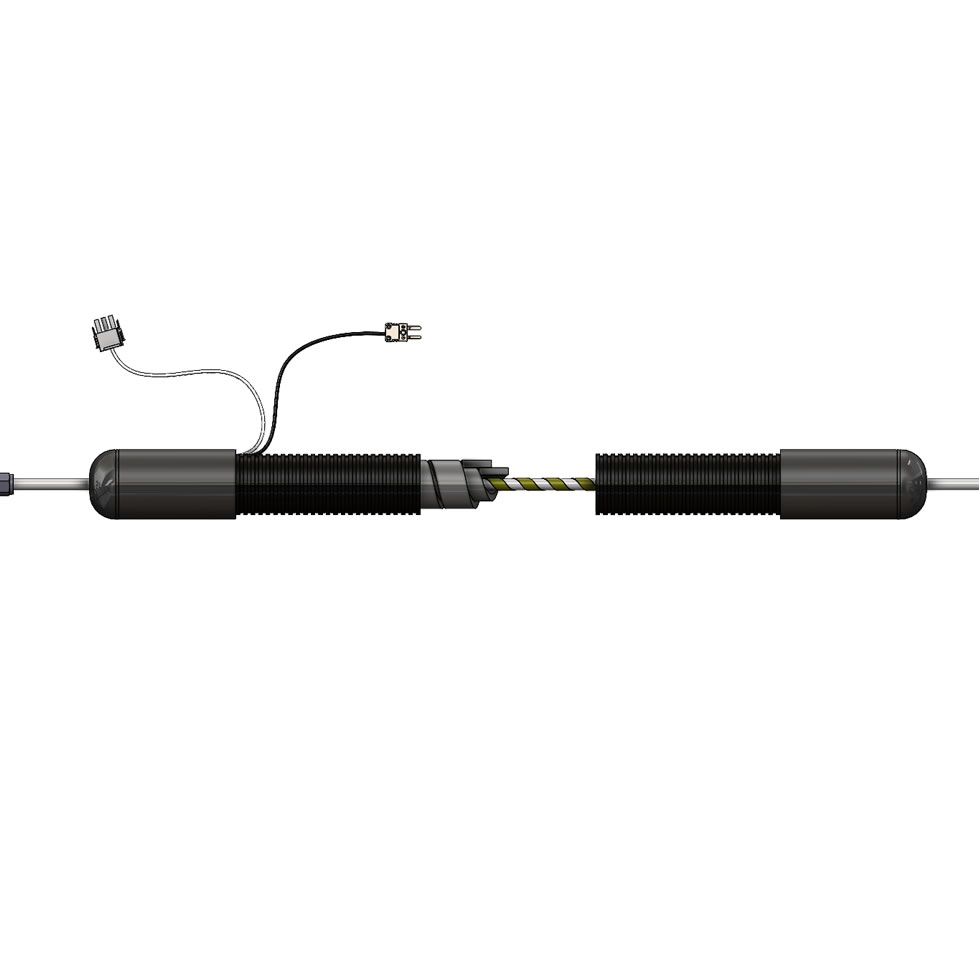
The Heated Sample Lines 1000 concept combines several components into a single engineered assembly.
A typical bundle can contain:
| Component | Function |
|---|---|
| Process Tube | Transports the sample |
| Electrical Heat Tracing | Supplies heat to the sample line |
| Thermal Insulation | Reduces heat loss |
| Temperature Sensor | Measures tube temperature |
| Protective Jacket | Protects the assembly |
| Electrical Conductors | Provides power/control connections |
Factory assembly provides a more consistent installation compared with installing tubing, heating cable and insulation separately in the field.
Temperature Control
Temperature control is an important part of a heated sample-line system.
Thermon’s specifications distinguish between applications where ambient-sensing control is acceptable and applications where tube/line sensing control is required.
Where accurate temperatures need to be maintained, a temperature sensor such as an RTD can be installed on the tubing and connected to an appropriate electronic control and monitoring device.
The temperature sensor must be positioned correctly so that it does not directly contact the electrical heat tracing, which could otherwise create a false temperature reading.
RTD Temperature Monitoring
An RTD can be used to monitor the temperature of the heated sample line.
A typical control arrangement is:
RTD → Temperature Controller → Heat Trace → Heated Sample Line
This allows the heating circuit to maintain the tubing at the desired temperature.
Thermon documentation identifies its TC series of microprocessor-based controls for electrically traced tubing and notes that selected TC devices also provide ground-leakage equipment protection.
Applications
Thermon heated sample lines can be applied to a variety of analytical and process systems.
Process Analyzers
Heated sample lines can transport process samples from the sampling point to an analyzer while maintaining the required temperature.
CEMS
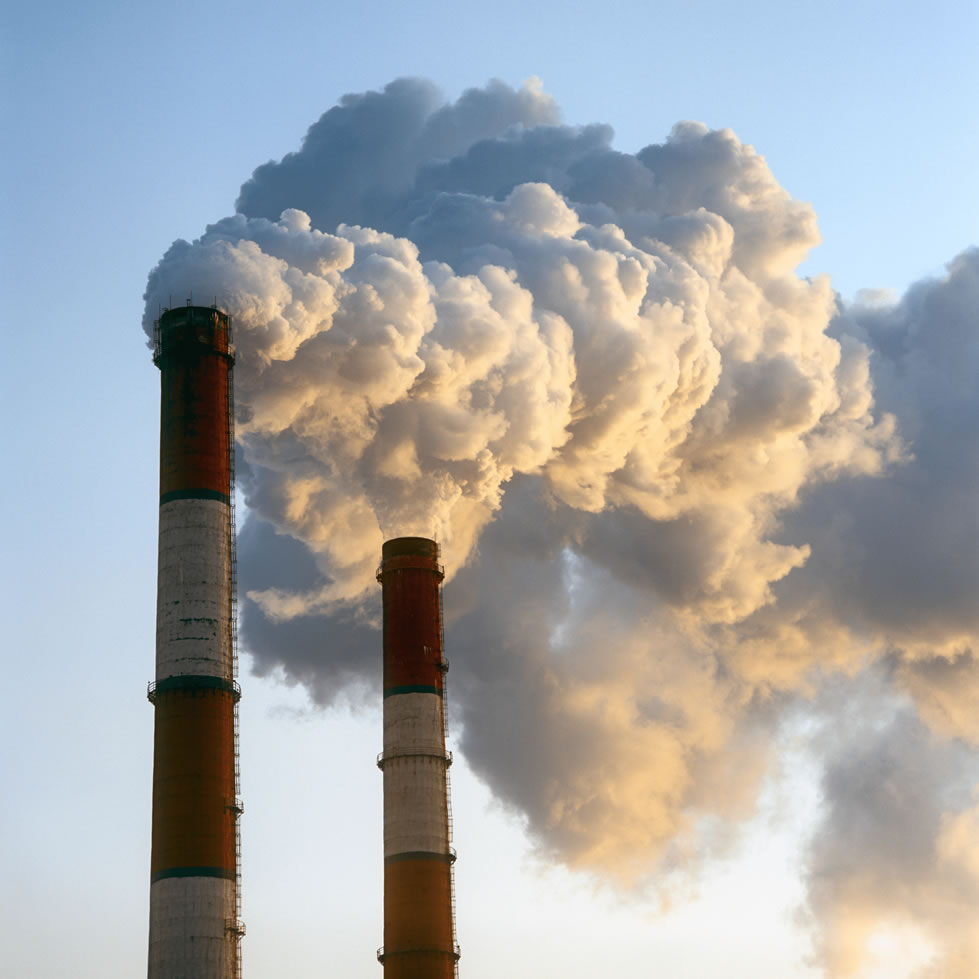
Continuous Emissions Monitoring Systems often require heated sample transport to reduce the risk of condensation and sample loss.
Gas Analysis
Heated tubing can be used where process gases must remain above a specified temperature during transportation.
Chemical Processing
Chemical samples may require controlled temperature conditions to prevent condensation, crystallization or changes in sample composition.
Industrial Instrumentation
Heated tubing bundles can also be used for instrument and analytical sample lines in industrial plants.
CEMS and Analytical Systems
One important application for heated sample lines is Continuous Emissions Monitoring Systems (CEMS).
In extractive CEMS systems, a sample is taken from an exhaust or process stream and transported to the analyzer.
The sample line may need to remain heated to prevent condensation before the sample reaches the analytical equipment.
Thermon also offers custom CEMS and analyzer sample-line configurations incorporating different tube materials, heat tracing, auxiliary conductors and factory-installed temperature sensors.
Tubing Material Selection
The tubing material should be selected according to the sample chemistry, temperature and pressure.
Thermon’s analyzer tubing-bundle solutions can incorporate materials such as:
- 304 stainless steel
- 316 stainless steel
- Monel
- Titanium
- Inconel® 825
- Fluoropolymer tubing
- PFA
- TFE
- FEP
- Other application-specific materials
Special tubing finishes and surface treatments can also be selected for demanding analytical applications. Thermon’s product-accessories documentation identifies options including electropolishing, chemical passivation and performance coatings such as SilcoNert™.
Heat Tracing Selection
The heat-tracing system must be selected according to the required maintenance temperature, ambient conditions and maximum exposure temperature.
Factors normally considered include:
- Required sample temperature
- Minimum ambient temperature
- Maximum ambient temperature
- Sample flow rate
- Sample properties
- Tube material
- Tube size
- Bundle length
- Insulation thickness
- Installation environment
- Hazardous-area classification
The heat-tracing circuit should be designed so that the tubing temperature remains within the allowable operating range of both the tubing and heating system.
Electrical Protection
Proper electrical protection is essential for heated sample-line installations.
Thermon’s specification states that applicable electrical codes must be followed for installation, operation and maintenance of electrically traced tubing. It also specifies that no more than five instrument lines should be connected in parallel to a common electrical circuit protection device, such as a circuit breaker.
Appropriate power connection, termination and sealing kits should also be used for the electrical heat-tracing circuits within the tubing bundle.
Factory-Assembled Construction
One of the major benefits of a heated tubing bundle is that the heating system and tubing can be supplied as a coordinated assembly.
Instead of installing separately:
- Process tubing
- Heat tracing
- Temperature sensor
- Thermal insulation
- Protective jacket
the components can be integrated into a single bundle.
This can simplify installation and provide more consistent thermal performance.
Typical System Configuration
A typical heated sample-line installation consists of:
Process Sampling Point
↓
Heated Sample Line
↓
Sample Conditioning System
↓
Analyzer
The heated line is normally installed between the sample extraction point and the sample-conditioning/analyzer equipment.
The required heating temperature depends on the characteristics of the sample and the analyzer system.
Advantages of Thermon Heated Sample Lines
Reliable Sample Transport
Maintaining the sample at the required temperature helps reduce problems caused by condensation and freezing.
Integrated Heating
Electrical heat tracing is integrated with the tubing rather than installed as a completely separate field system.
Temperature Monitoring
RTD and other temperature-sensing arrangements can be incorporated into the heated tubing system.
Custom Engineering
Tubing, insulation, heat tracing and instrumentation can be configured according to the requirements of the application.
Reduced Installation Work
Factory-assembled bundles can reduce the amount of individual tubing and heat-tracing work required at the installation site.
Product Applications
Thermon Heated Sample Lines 1000 can be considered for:
- CEMS
- Process analyzers
- Gas analyzers
- Chemical analyzers
- Emissions monitoring
- Industrial sampling systems
- Process instrumentation
- Analytical sample transportation
- Gas sampling systems
- Industrial process plants
-
Engineering Considerations
When specifying a Thermon Heated Sample Line, the following information should normally be established:
- Sample composition
- Sample temperature
- Required maintenance temperature
- Minimum ambient temperature
- Maximum ambient temperature
- Tube size
- Tube material
- Operating pressure
- Flow rate
- Required sample-line length
- Available voltage
- Number of heating circuits
- Temperature-control method
- Hazardous-area classification
- Required certifications
This information allows the heating system, tubing material and temperature-control configuration to be properly selected.
Why Choose Thermon Heated Sample Lines?
Thermon’s heated sample-line technology provides an integrated approach to sample transportation and temperature maintenance.
By combining process tubing, electrical heat tracing, insulation and temperature monitoring into an engineered tubing-bundle assembly, the system can help maintain stable sample conditions between the process and analyzer.
For applications where sample temperature directly affects analyzer accuracy, selecting the correct heated sample line is an important part of the overall analytical system design.