Description
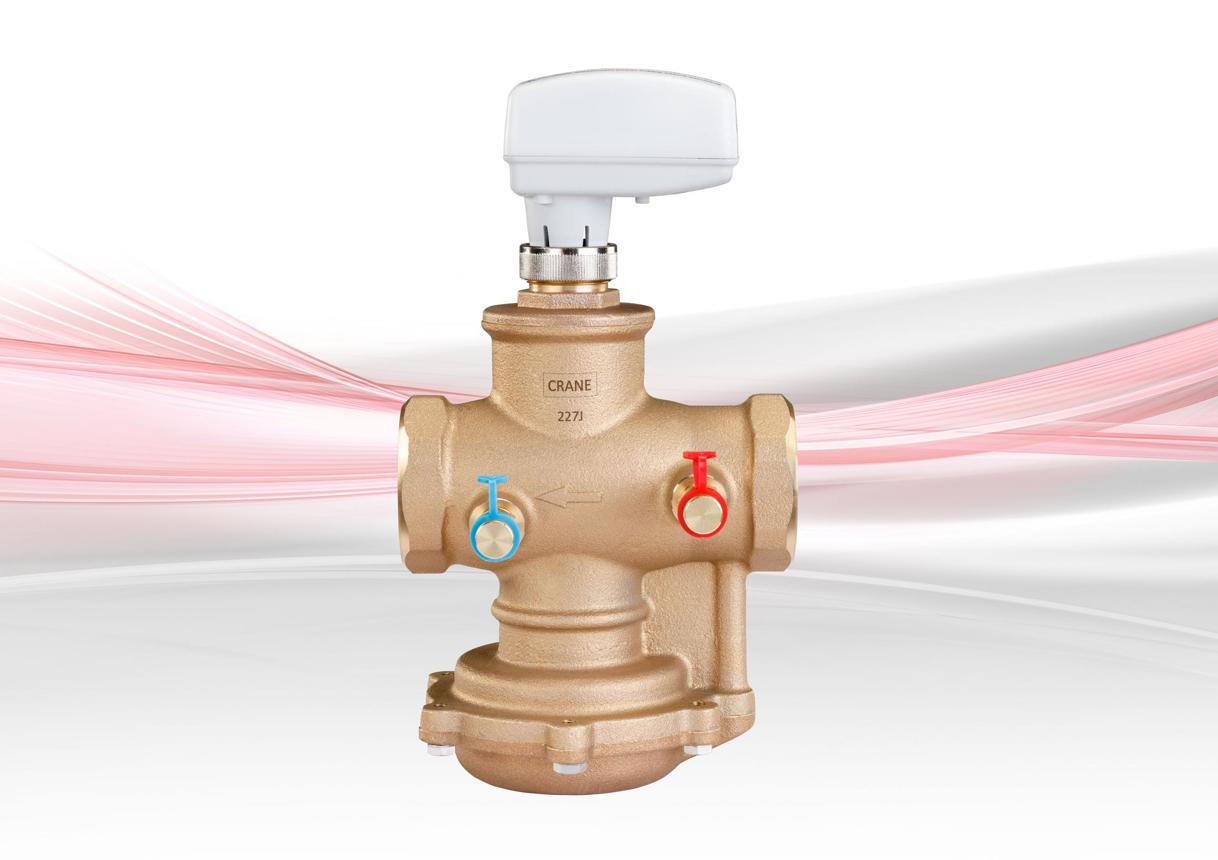
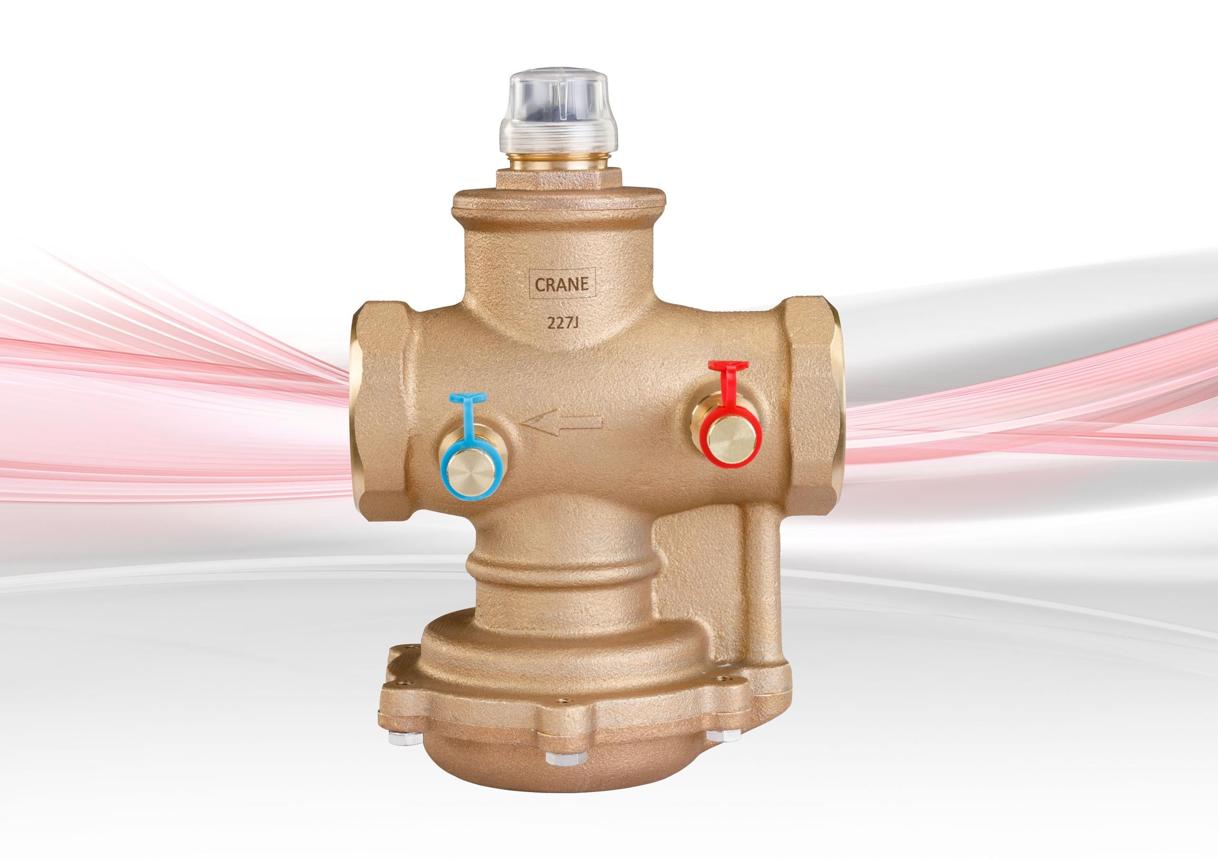
Crane D995 DN40–DN50 Pressure Independent Control Valve (PICV)
High-Capacity Pressure Independent Control Valve for Commercial HVAC Systems
The Crane D995 DN40–DN50 Pressure Independent Control Valve (PICV) is engineered for medium and large HVAC applications requiring accurate flow control, hydraulic balancing, and long-term energy efficiency. Designed as part of the Crane Peak Pro range, the D995 integrates differential pressure regulation, flow balancing, and modulating control into a single compact valve, reducing installation complexity while ensuring stable system performance.
Suitable for DN40 and DN50 pipework, the valve is optimized for Air Handling Units (AHUs), large Fan Coil Units (FCUs), heat exchangers, chilled water systems, and district energy networks. It maintains the preset design flow automatically, regardless of pressure fluctuations within the system, improving occupant comfort while minimizing pump energy consumption.
Key Features
- Pressure Independent Control Valve (PICV)
- Available in DN40 and DN50
- Pressure rating PN16
- Built-in differential pressure controller
- Equal percentage control characteristic with modulating actuator
- Integral pressure test points for commissioning
- Class IV shut-off leakage
- Compact Peak Pro design
- Factory pressure tested to BS EN 12266-1
- Performance verified to BSRIA BTS01
- Tested for 10,000 operating cycles (approximately 15 years of typical HVAC service)
Applications
The Crane D995 DN40–DN50 is designed for:
- Commercial office buildings
- Hospitals
- Hotels
- Shopping malls
- Airports
- Universities
- Data centers
- Industrial HVAC systems
- District heating and cooling plants
- Large Air Handling Units (AHU)
- Heat exchangers
- Chilled water distribution systems
Benefits
Accurate Flow Regulation
The integrated differential pressure controller maintains constant flow despite pressure variations, eliminating overflow and improving terminal unit performance.
Reduced Energy Consumption
Maintaining only the required design flow allows pumps to operate at lower speeds, reducing electrical consumption and operating costs.
Faster Commissioning
Built-in pressure test ports enable rapid verification of differential pressure and valve performance without additional balancing equipment.
Compact Installation
The Peak Pro design offers high flow capacity in a compact body, making installation easier in plant rooms and mechanical spaces.
Reliable Long-Term Operation
Each valve undergoes comprehensive factory testing for pressure integrity, hydraulic performance, and durability, ensuring dependable operation throughout its service life.
Technical Specifications
| Parameter | Specification |
|---|---|
| Brand | Crane Fluid Systems |
| Model | D995 |
| Product Type | Pressure Independent Control Valve (PICV) |
| Valve Sizes | DN40, DN50 |
| Pressure Rating | PN16 |
| Flow Range (DN40) | 0.39 – 3.00 l/s |
| Flow Range (DN50) | 0.69 – 3.80 l/s |
| Operating Temperature | 0°C to 90°C |
| Maximum Operating Pressure | 16 bar |
| Differential Pressure | Up to 800 kPa (model dependent) |
| Leakage Class | Class IV |
| Control Characteristic | Equal Percentage |
| Integral Test Points | Yes |
| Installation | Flow or return pipe (return preferred) |
| Compatible Actuators | ACT991M, ACT991TP, ACT995FB |
| Connection Thread | M30 × 1.5 |
| Standards | BS EN 12266-1, BSRIA BTS01 |
Compatible Actuators
The D995 DN40–DN50 is designed to operate with Crane electric actuators, including:
- ACT991M – Modulating actuator (0–10 V)
- ACT991TP – Three-point actuator
- ACT995FB – Modulating actuator with position feedback
These actuators provide precise valve positioning for modern Building Management Systems (BMS) and HVAC automation.
Why Choose Crane D995 DN40–DN50?
The Crane D995 DN40–DN50 combines pressure independent flow control, hydraulic balancing, and precise modulation in a single valve, making it an excellent choice for medium and large commercial HVAC systems. Its high flow capacity, integrated commissioning features, and compatibility with Crane actuators help reduce installation time, lower operating costs, and improve long-term system efficiency.