
Description
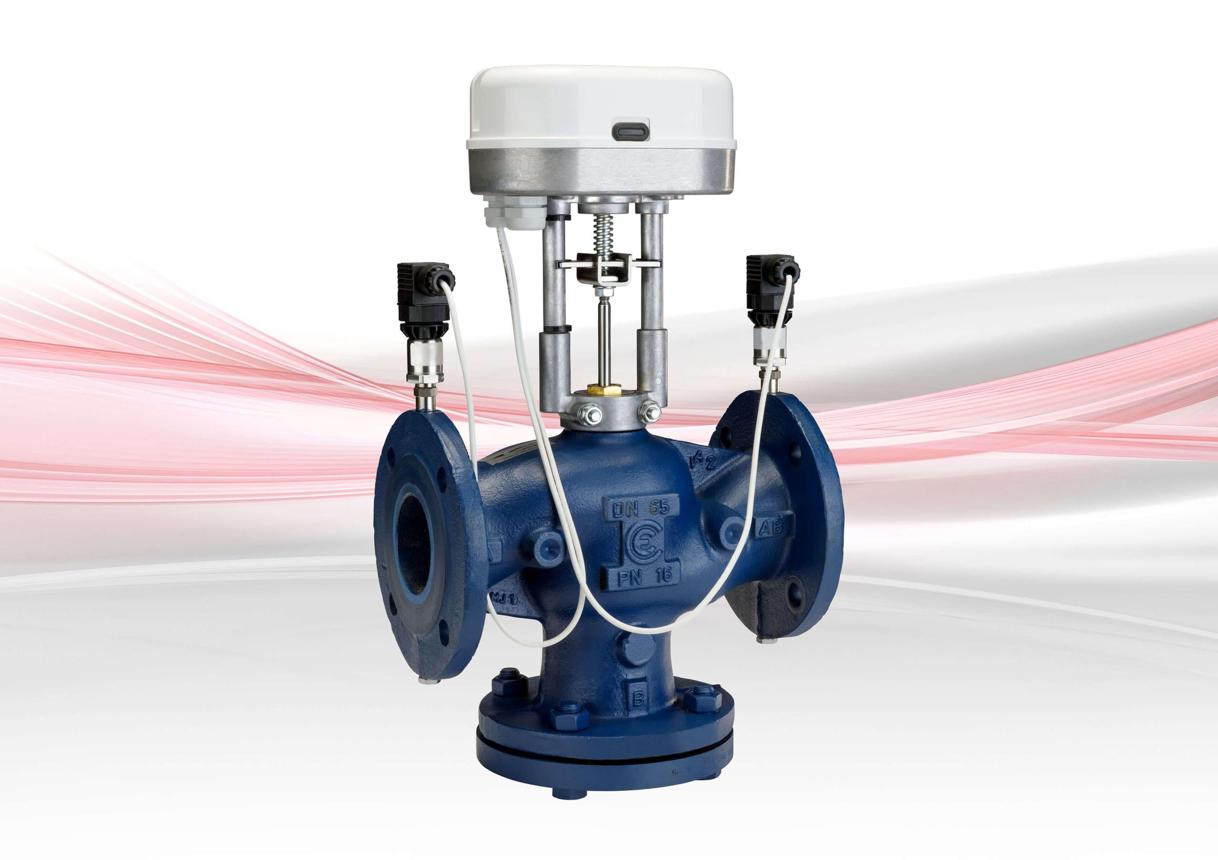
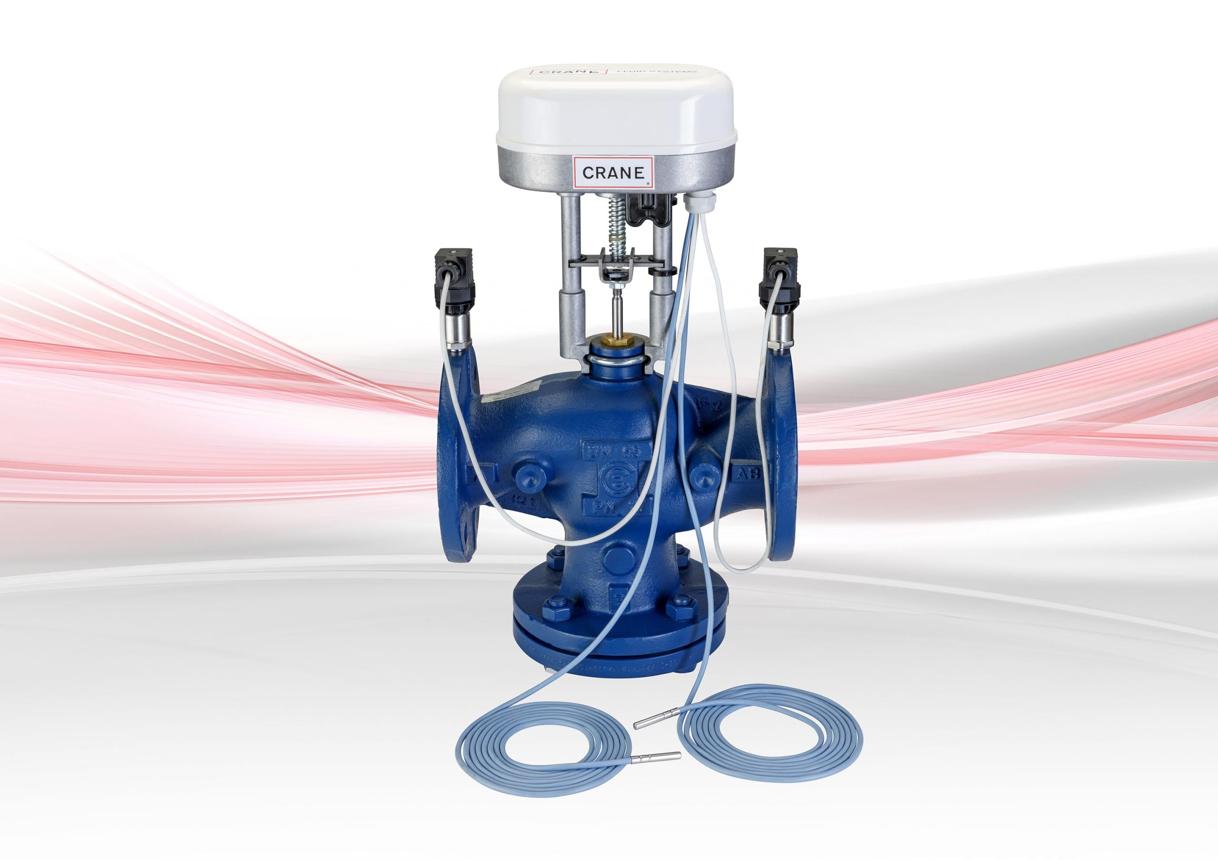
Crane D997F Electronic Pressure Independent Control Energy Valve (E-PICV+)
Intelligent Energy Valve for High-Efficiency HVAC Systems
The Crane D997F E-PICV+ is an advanced Electronic Pressure Independent Control Energy Valve that combines pressure-independent flow control, thermal energy monitoring, and intelligent HVAC optimization in a single compact assembly. Using integrated pressure transducers, temperature sensors, and a high-speed electric actuator, the D997F continuously regulates flow regardless of system pressure fluctuations while maximizing ΔT (Delta T) and monitoring energy consumption in real time. It also supports Modbus RTU communication for seamless integration with modern Building Management Systems (BMS).
Key Features
- Electronic Pressure Independent Control Energy Valve (E-PICV+)
- Available sizes:
- DN65
- DN80
- DN100
- DN125
- DN150
- Pressure rating: PN16
- Pressure-independent flow control
- Integrated pressure transducers
- Built-in supply and return temperature sensors
- Thermal power and energy monitoring
- ΔT optimization
- High-speed modulating actuator
- Modbus RTU communication
- Remote commissioning through BMS
- Position, flow and differential pressure feedback
- Class IV shut-off leakage
- Accurate operation across differential pressures up to 800 kPa.
Benefits
Pressure-Independent Flow Control
Unlike conventional control valves, the D997F automatically maintains the required flow rate regardless of pressure variations within the HVAC network. This ensures stable system performance and eliminates the need for continual balancing adjustments.
Built-in Energy Metering
Integrated temperature sensors calculate thermal power and energy consumption in real time, allowing facility managers to monitor system efficiency without installing separate energy meters.
Delta T Optimization
The D997F actively maximizes return water ΔT, improving chiller and boiler efficiency while reducing pumping energy and operating costs. Better ΔT also helps increase available plant capacity in large HVAC installations.
Smart Building Connectivity
Using Modbus RTU, the valve exchanges operational data directly with the Building Management System, enabling:
- Remote commissioning
- Real-time monitoring
- Flow verification
- Energy reporting
- Alarm and diagnostics
- Predictive maintenance.
Reduced Installation and Commissioning Time
Flow setpoints and operating parameters can be configured remotely through the BMS or Crane Configurator software, reducing commissioning time and minimizing on-site adjustments.
Typical Applications
The Crane D997F is ideal for:
- Commercial HVAC systems
- District cooling networks
- District heating systems
- Chilled water systems
- Air Handling Units (AHUs)
- Fan Coil Units (FCUs)
- Heat exchangers
- Hospitals
- Hotels
- Data centres
- Office buildings
- Universities
- Industrial HVAC installations.
Technical Specifications
| Specification | Value |
|---|---|
| Model | D997F |
| Product Type | Electronic Pressure Independent Control Energy Valve (E-PICV+) |
| Valve Sizes | DN65–DN150 |
| Pressure Rating | PN16 |
| Flow Range | 3.3–49.2 l/s (depending on size) |
| Differential Pressure | Up to 800 kPa |
| Fluid Temperature | -10°C to +110°C |
| Ambient Temperature | -10°C to +50°C |
| End Connection | Flanged BS EN 1092-2 PN16 |
| Leakage Class | Class IV |
| Flow Measurement | Integrated Pressure Transducers |
| Temperature Measurement | Integrated Supply & Return Sensors |
| Communication | Modbus RTU |
| Functions | Flow Control, ΔT Optimization, Thermal Power Control, Energy Monitoring |
| Feedback | Valve Position, Flow Rate, Differential Pressure |
Why Choose the Crane D997F E-PICV+?
The Crane D997F E-PICV+ goes beyond traditional pressure independent control valves by combining flow regulation, energy monitoring, thermal power calculation, and ΔT optimization into a single intelligent device. With integrated sensing technology, Modbus connectivity, and high-speed electronic control, it provides valuable operational insight while helping building owners reduce energy consumption, simplify commissioning, and improve the overall efficiency of chilled water and heating systems. Its advanced diagnostics and remote monitoring capabilities make it an ideal solution for modern smart buildings and high-performance HVAC installations.