Description
Thermal Protection for Critical Data Center Infrastructure
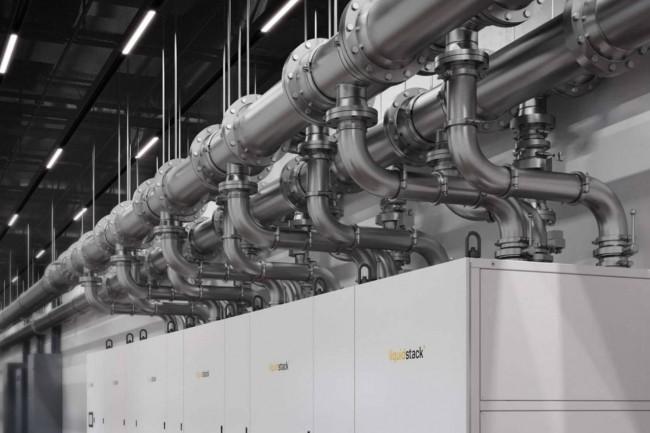
Modern data centers rely on highly reliable cooling, water, fire protection, generator and instrumentation systems. As data center power density continues to increase—particularly in AI and High-Performance Computing (HPC) facilities—liquid cooling infrastructure is becoming increasingly important.
While heat tracing is not used to cool servers, it can play an important role in protecting the infrastructure that supports the data center.
The main purposes are:
- Freeze protection
- Temperature maintenance
- Protection of critical piping and instrumentation
- Protection of outdoor and exposed systems
- Maintaining reliable operation of liquid-cooling infrastructure
Thermon provides a broad range of electrical heat-tracing cables that can be selected according to the required temperature, heat loss, environmental conditions and hazardous-area requirements.
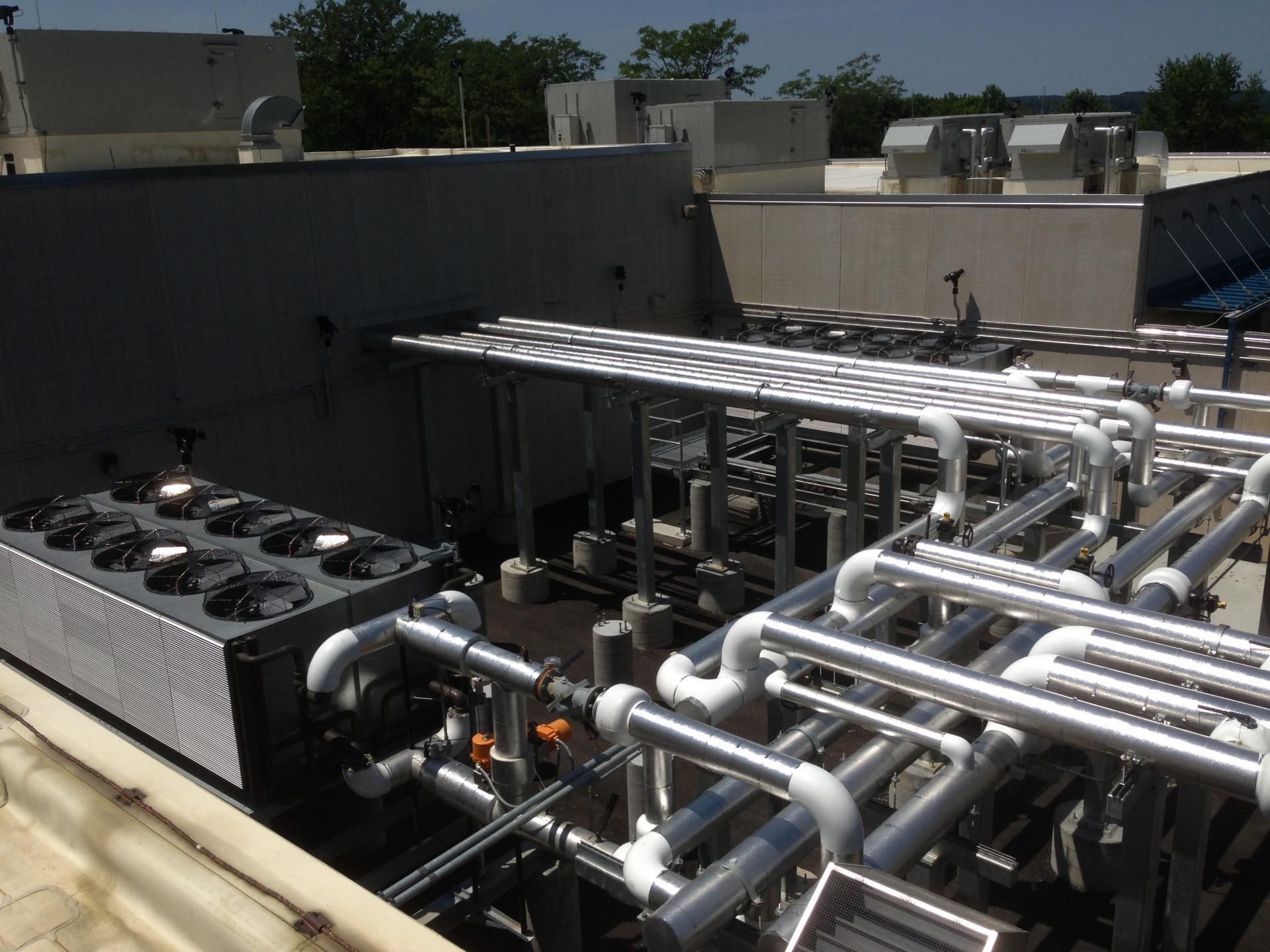
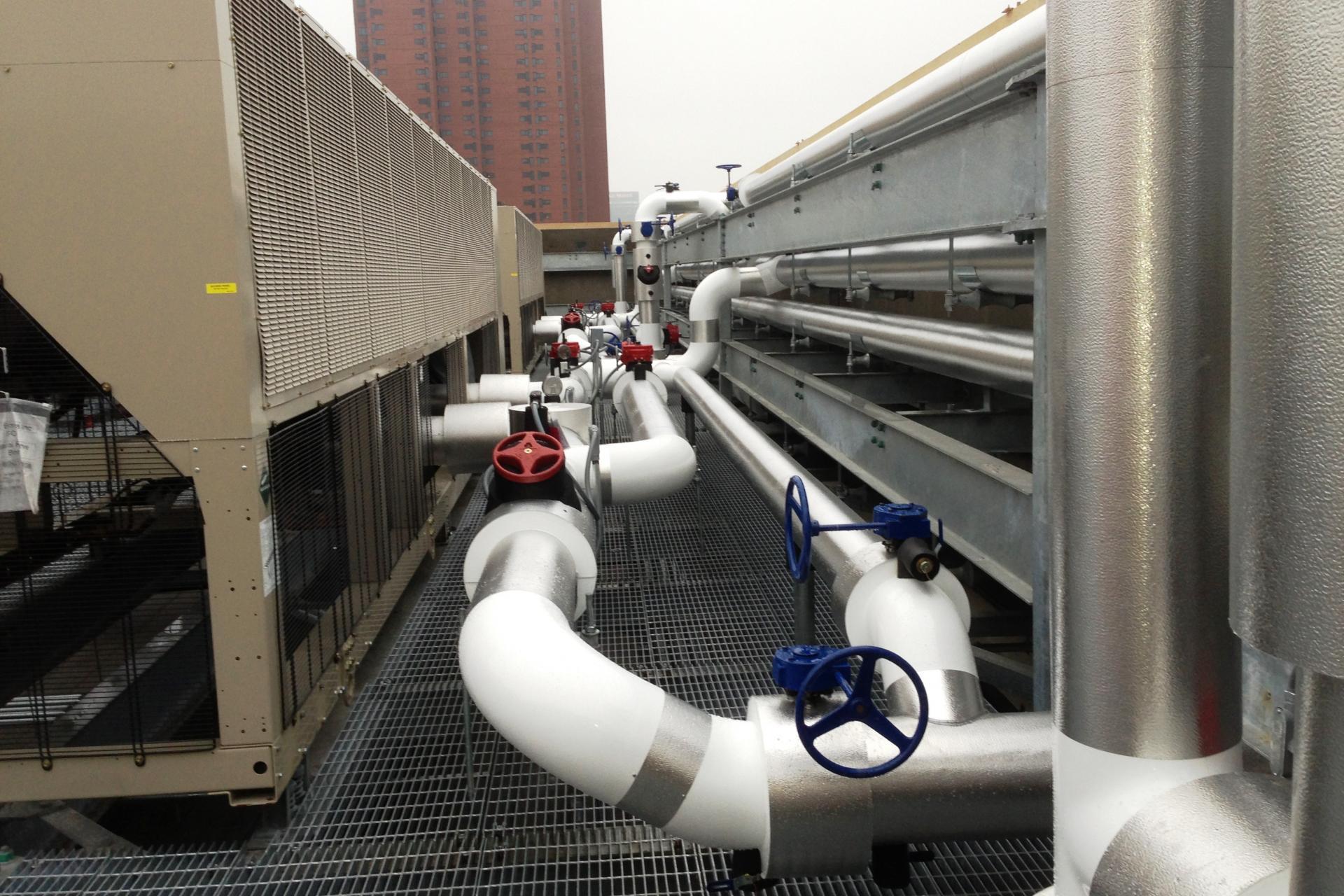
1. Freeze Protection of Outdoor Water Piping
One of the most straightforward applications of heat tracing in a data center is freeze protection.
Outdoor piping can be exposed to low ambient temperatures, particularly in data centers located in cold climates.
Heat tracing can be applied to:
- Chilled-water piping
- Condenser-water piping
- Make-up water lines
- Drain lines
- Cooling-tower piping
- Small-bore water lines
- Exposed valves and fittings
- Instrument tubing
A typical arrangement is:
Pipe → Heat Tracing Cable → Thermal Insulation → Weatherproof Jacket
The objective is normally to maintain the pipe above the required minimum temperature rather than to significantly heat the process fluid.
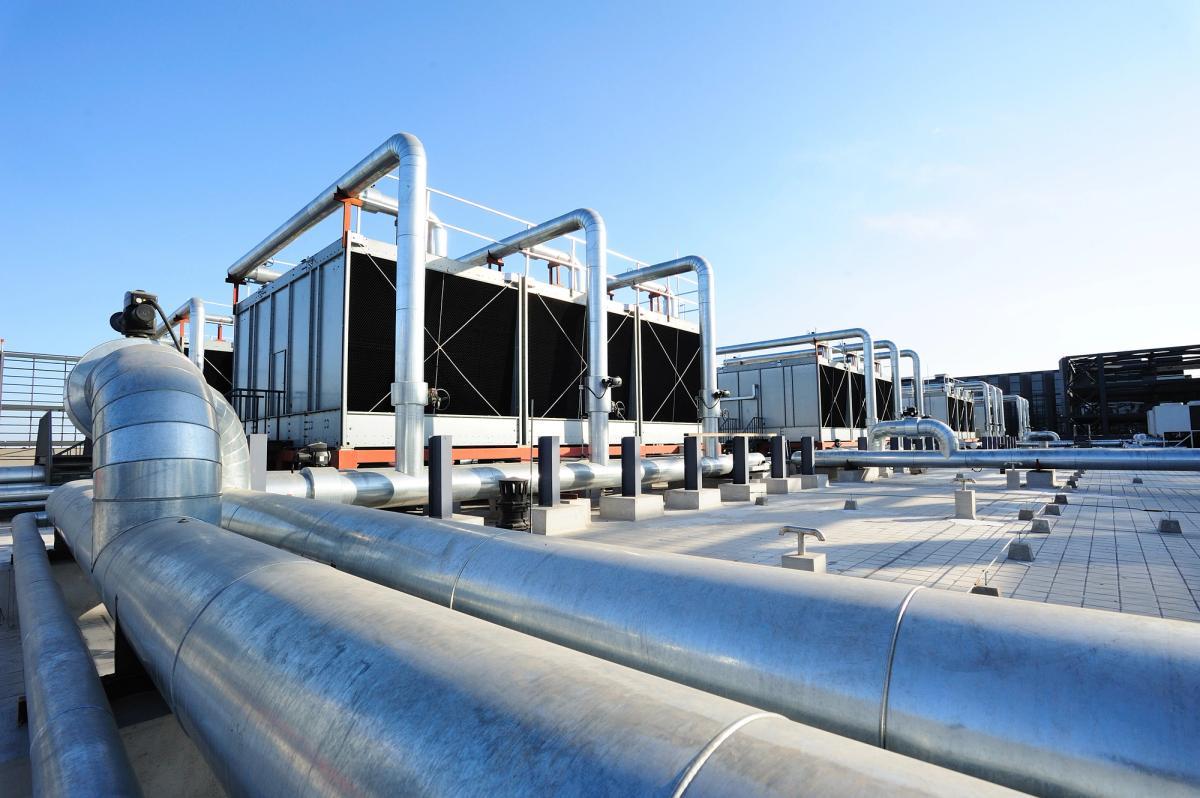
2. Cooling Tower Freeze Protection
Cooling towers and their associated piping are particularly exposed to ambient conditions.
Heat tracing can be considered for:
- Cooling-tower basin piping
- Make-up water lines
- Drain lines
- Exposed supply and return piping
- Small-bore branches
- Instrument tubing
- Valves and fittings
This can help prevent freezing that could result in blocked piping, equipment damage or interruption of the cooling system.
The exact heat-tracing design should be based on the pipe size, insulation, minimum ambient temperature and required maintenance temperature.
3. Chilled-Water and Condenser-Water Systems
Data centers commonly use chilled-water systems as part of their cooling infrastructure.
Heat tracing can be applied to selected portions of chilled-water or condenser-water piping where there is a realistic risk of freezing.
Typical locations include:
- Outdoor piping
- Exposed pipe sections
- Low-flow sections
- Dead legs
- Drain lines
- Small branches
- Instrument connections
It is important to note that not every chilled-water pipe requires heat tracing. The requirement depends on the actual operating temperature, ambient conditions, pipe configuration and system operating philosophy.
4. Instrument Tubing and Small-Bore Piping
Heat tracing is particularly useful for small-bore tubing, because small tubes can lose heat relatively quickly compared with larger pipes.
Potential applications include:
- Pressure sensing lines
- Flow instrument lines
- Temperature instrument lines
- Analyzer tubing
- Sampling lines
- Instrument impulse lines
For these applications, Thermon’s TubeTrace® systems provide an integrated solution combining tubing, heating cable, insulation and an outer jacket.
Thermon offers TubeTrace configurations using BSX, HTSX and HPT heating technologies.
5. Condensate Drain Protection
Condensate drainage is another potential application.
Condensate produced by cooling equipment may be transported through relatively small drain pipes. Where these pipes are exposed to low temperatures, freezing can block the drainage path.
Heat tracing can help protect:
- AHU condensate drains
- CRAH condensate drains
- Outdoor condensate piping
- Equipment drain lines
The objective is to prevent ice formation and maintain reliable drainage.
6. Fire Protection Piping
In cold-climate installations, portions of fire-protection piping may require freeze protection.
Heat tracing may be considered for suitable fire-protection applications where permitted by the applicable fire-protection design and project requirements.
Because fire protection is a life-safety system, the heat-tracing design must comply with the applicable codes, standards, authority requirements and approved fire-protection design.
Heat tracing should not simply be added as a substitute for proper freeze-protection design.
7. Generator Fuel Systems
Data centers typically have standby generators to provide backup electrical power.
In cold climates, heat tracing may be considered for selected portions of fuel systems, such as:
- Fuel transfer lines
- Small-bore fuel piping
- Fuel system components
- Exposed auxiliary piping
The selection must take into account fuel compatibility, allowable surface temperature, environmental conditions and any applicable hazardous-area requirements.
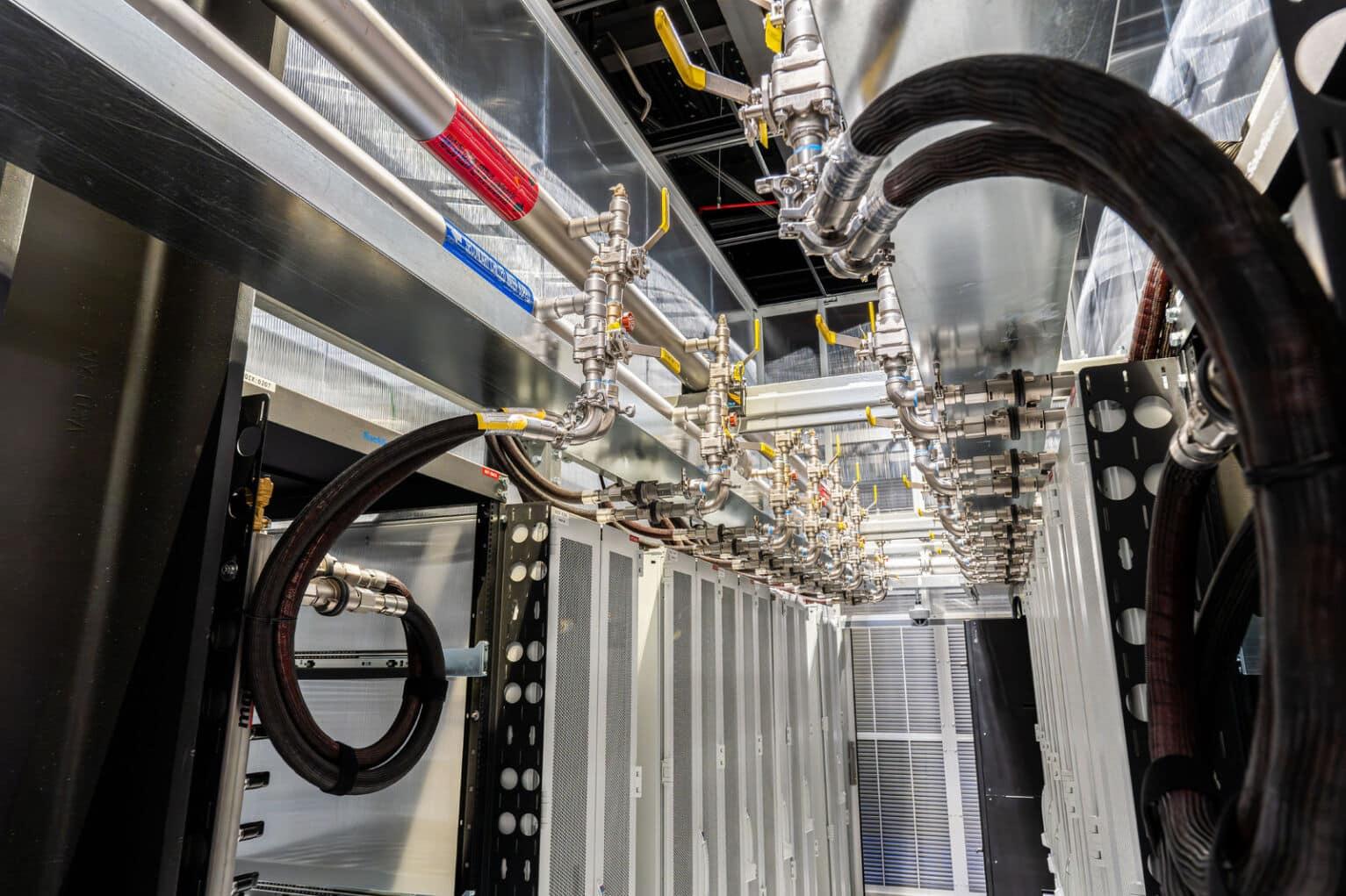
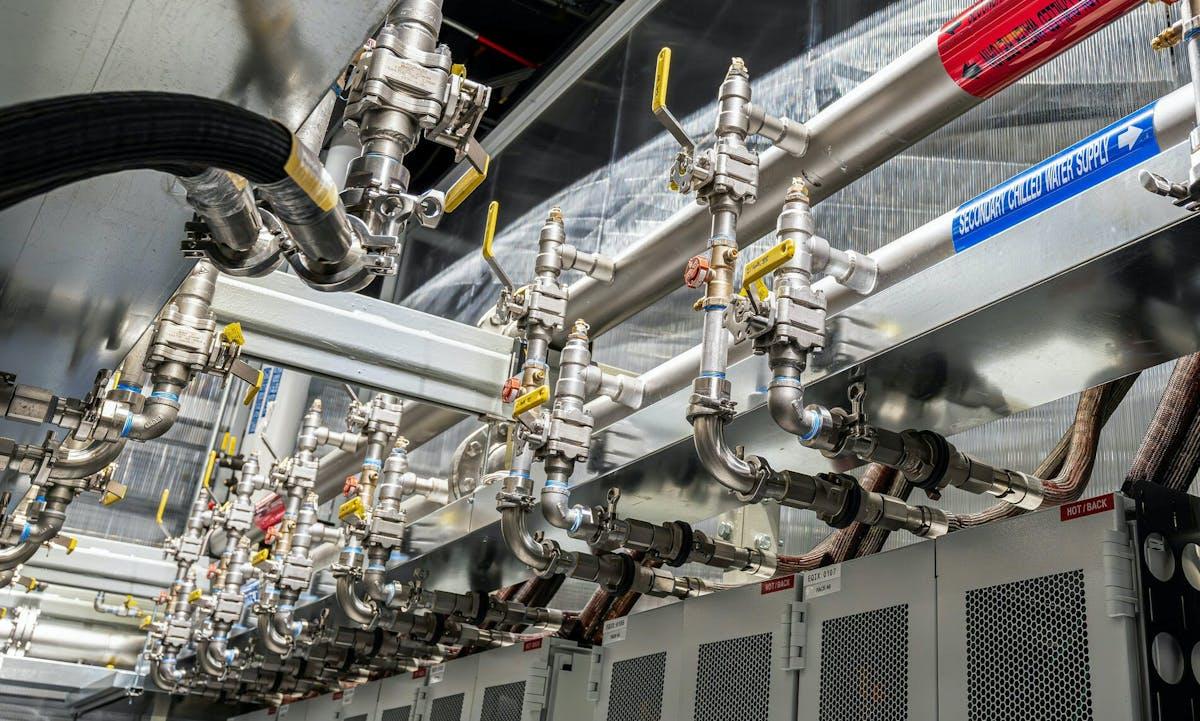
8. Liquid Cooling Infrastructure
This is becoming increasingly relevant for AI and HPC data centers.
Modern high-density computing systems increasingly use:
- Direct-to-chip liquid cooling
- Coolant Distribution Units (CDUs)
- Secondary coolant loops
- Heat exchangers
- Liquid-cooled racks
- Rear-door heat exchangers
- Immersion cooling systems
Heat tracing is not normally used to heat the servers or replace the cooling system.
Instead, it may be considered for selected piping and auxiliary systems where freeze protection or temperature maintenance is required.
A simplified arrangement is:
Cooling Plant → CDU → Secondary Cooling Loop → IT Equipment → Heat Rejection
Heat tracing can potentially protect selected sections of the piping infrastructure from low ambient temperatures.
9. Data Center Commissioning and Liquid Load Banks
Heat tracing can also have a role in temporary or permanent infrastructure associated with data center commissioning.
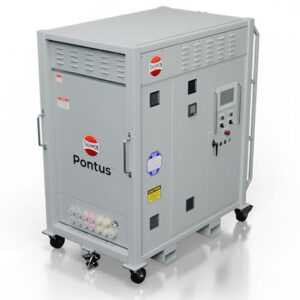
Thermon’s liquid load banks are designed to simulate thermal and electrical loads for data center and HPC commissioning.
During commissioning, temporary piping or exposed cooling-system sections may require freeze protection depending on the project location and commissioning conditions.
It is important to distinguish the two technologies:
Liquid Load Bank
→ Generates controlled thermal/electrical load for testing.
Heat Tracing
→ Adds controlled heat to piping or equipment to maintain temperature or prevent freezing.
They therefore perform completely different functions but can potentially be used within the same commissioning environment.
10. Thermon Heat Tracing Cables for Data Center Applications
Thermon offers several electrical heat-tracing technologies. The appropriate cable should be selected based on the required maintenance temperature, heat loss, exposure temperature and installation environment.
BSX™
BSX™ is a self-regulating heating cable designed for freeze protection and temperature maintenance on metallic and non-metallic piping, tanks and equipment. Its heat output changes in response to conditions along the circuit.
Typical data-center applications include:
- Outdoor water piping
- Drain lines
- Instrument tubing
- Cooling-tower piping
- Freeze protection
BSX provides temperature maintenance up to approximately 65°C (150°F), with maximum exposure temperature of approximately 85°C (185°F).
RSX 15-2™
RSX 15-2™ is a self-regulating heating cable designed for freeze protection and process-temperature maintenance where the required watt density is higher than the standard BSX range.
This can make RSX 15-2 useful for selected applications where BSX does not provide sufficient heat output.
HTSX™
HTSX™ is a self-regulating heating cable designed for higher-temperature applications.
Thermon specifies temperature maintenance up to approximately 150°C (302°F) and maximum exposure temperature of approximately 250°C (482°F). It can also withstand temperatures associated with steam purging.
Potential applications include:
- Higher-temperature process piping
- Specialized liquid-cooling infrastructure
- High-temperature instrument tubing
- Applications requiring higher exposure temperatures
For normal data-center freeze protection, HTSX would generally be selected only where the engineering requirements justify its higher temperature capability.
HPT™
HPT™ is a power-limiting heating cable designed for process temperature maintenance and freeze protection where high maintenance temperatures or high-temperature exposure are required.
Its PTC characteristic reduces power output as the traced product temperature increases.
Potential applications include:
- High-temperature piping
- Specialized process systems
- High-temperature analyzer/sample systems
- Applications requiring power-limiting heat tracing
USX™
USX™ is a high-performance self-regulating heat-tracing cable designed for critical process temperature maintenance and freeze protection where ultra-high temperature ratings are required.
Thermon specifies continuous exposure capability up to approximately 240°C (464°F).
For a data center, USX would generally be considered for specialized high-temperature applications rather than ordinary pipe freeze protection.
MIQ™
MIQ™ is a mineral-insulated, constant-watt heating cable designed for high-temperature maintenance, high-temperature exposure and/or high watt-density applications beyond the limitations of thermoplastic-insulated cables.
Thermon manufactures MIQ using Alloy 825, which provides high-temperature capability and resistance to aggressive environments.
Potential data-center applications would be specialized rather than typical freeze protection.
11. Thermon Heat Tracing Cable Selection
A simplified selection philosophy can be used:
| Application | Thermon Cable |
|---|---|
| General freeze protection | BSX™ |
| Higher watt-density requirement | RSX 15-2™ |
| Higher temperature maintenance | HTSX™ |
| Power-limiting / high-temperature applications | HPT™ |
| Ultra-high-temperature self-regulating applications | USX™ |
| Very high temperature / high watt density | MIQ™ |
Thermon’s engineering guide compares BSX, RSX 15-2, HTSX, VSX-HT and USX according to temperature capability, watt density and other design characteristics.
12. Thermon TubeTrace® for Data Centers
For instrument and small-bore tubing, Thermon’s TubeTrace® product family can provide an integrated solution.
Examples include:
- TubeTrace with BSX
- TubeTrace with HTSX
- TubeTrace with HPT
These systems combine tubing with electrical heat tracing and insulation in a factory-assembled bundle.
This can be particularly useful for:
- Instrument tubing
- Sampling lines
- Analyzer connections
- Small-bore water lines
- Outdoor instrumentation
13. Recommended Application by Data Center System
| Data Center System | Possible Heat Tracing Application |
|---|---|
| Cooling Tower | Freeze protection |
| Chilled Water | Selected outdoor/exposed piping |
| Condenser Water | Freeze protection |
| Make-up Water | Freeze protection |
| Condensate Drain | Freeze protection |
| Instrument Tubing | Freeze protection / temperature maintenance |
| Outdoor Water Lines | Freeze protection |
| Fire Protection | Freeze protection where permitted |
| Generator Fuel Lines | Temperature maintenance / freeze protection |
| CDU Infrastructure | Selected piping / auxiliary lines |
| Liquid Cooling Loop | Selected exposed piping |
| Commissioning Piping | Temporary freeze protection |
| Analyzer/Sampling System | Temperature maintenance |
14. Benefits of Heat Tracing in Data Centers
Increased System Reliability
Protecting vulnerable piping from freezing can help reduce unexpected failures.
Protection of Critical Infrastructure
Heat tracing can protect piping, tubing, valves and instrumentation supporting critical cooling systems.
Reduced Maintenance
Preventing freezing and associated blockages can reduce maintenance requirements.
Suitable for Outdoor Systems
Electrical heat tracing can protect exposed piping and equipment in cold climates.
Flexible Temperature Control
Different Thermon cable technologies allow the heating system to be selected according to the required temperature.
Hazardous-Area Options
Several Thermon heat-tracing products are available for ordinary and potentially explosive atmospheres, subject to the selected configuration and certification.
15. Engineering Considerations
Heat tracing should be engineered rather than selected simply based on pipe size.
Important design parameters include:
- Minimum ambient temperature
- Required maintenance temperature
- Pipe/tube material
- Pipe diameter
- Pipe length
- Insulation thickness
- Insulation thermal conductivity
- Wind conditions
- Fluid characteristics
- Heat loss
- Available voltage
- Circuit length
- Hazardous-area classification
- Required temperature rating
- Control method
- Sensor location
Thermon’s heat-tracing design guidance specifically recommends determining temperature and heat-loss requirements before selecting the appropriate cable.
Thermon Heat Tracing Product Range
For a Data Center Heat Tracing solution, the following Thermon products can be considered depending on the application:
BSX™ – Self-Regulating Heating Cable
RSX 15-2™ – Self-Regulating Heating Cable
HTSX™ – High-Temperature Self-Regulating Heating Cable
HPT™ – Power-Limiting Heating Cable
USX™ – High-Temperature Self-Regulating Heating Cable
MIQ™ – Mineral-Insulated Heating Cable
Thermon’s current electrical heat-tracing portfolio also includes other cable families such as HSX, KSR, KSX, RGS, TEK, TESH, ThermTrac and VSX-HT.
Conclusion
Heat tracing is an important thermal-protection technology for data center infrastructure, particularly in cold climates and in facilities with extensive outdoor cooling and utility systems.
The primary objective is not to heat the data center itself, but to protect the critical infrastructure that keeps the data center operating.
Applications can include:
Cooling Towers → Chilled Water → Condenser Water → Drain Lines → Instrument Tubing → Generator Systems → Liquid Cooling Infrastructure → Commissioning Systems
For general freeze protection, Thermon BSX™ is a logical starting point. Where higher watt density or higher temperature capability is required, products such as RSX 15-2™, HTSX™, HPT™, USX™ and MIQ™ can be considered based on the engineering requirements.