Description
Reliable Valve Solutions for Critical Data Center Cooling Infrastructure
Modern data centers require highly reliable cooling systems to maintain the operating conditions of critical IT equipment. As server power density continues to increase, particularly in AI and High-Performance Computing (HPC) facilities, cooling infrastructure has become one of the most important parts of data center design.
Crane Fluid Systems provides a broad range of valves for data center cooling systems, including PICVs, control valves, butterfly valves, ball valves, check valves, strainers and other general valves.
Crane specifically identifies cooling and maintenance as two critical areas where valves support reliable data center operation. Its data-center solutions are designed to help provide accurate flow control, efficient cooling and reliable isolation of critical equipment.
1. Why Valves Are Critical in Data Centers
A data center must operate continuously. Failure of a cooling component can result in elevated server temperatures, equipment shutdown or even service interruption.
The cooling system therefore needs to provide:
- Stable water flow
- Accurate temperature control
- Reliable isolation
- Hydraulic balancing
- Pressure control
- Easy maintenance
- Energy-efficient operation
- Integration with the BMS
Crane notes that cooling can account for up to 50% of total data-center power consumption, making efficient fluid control an important part of the overall system.
This is where properly selected valves become essential.
2. Crane PICV for Data Center Cooling
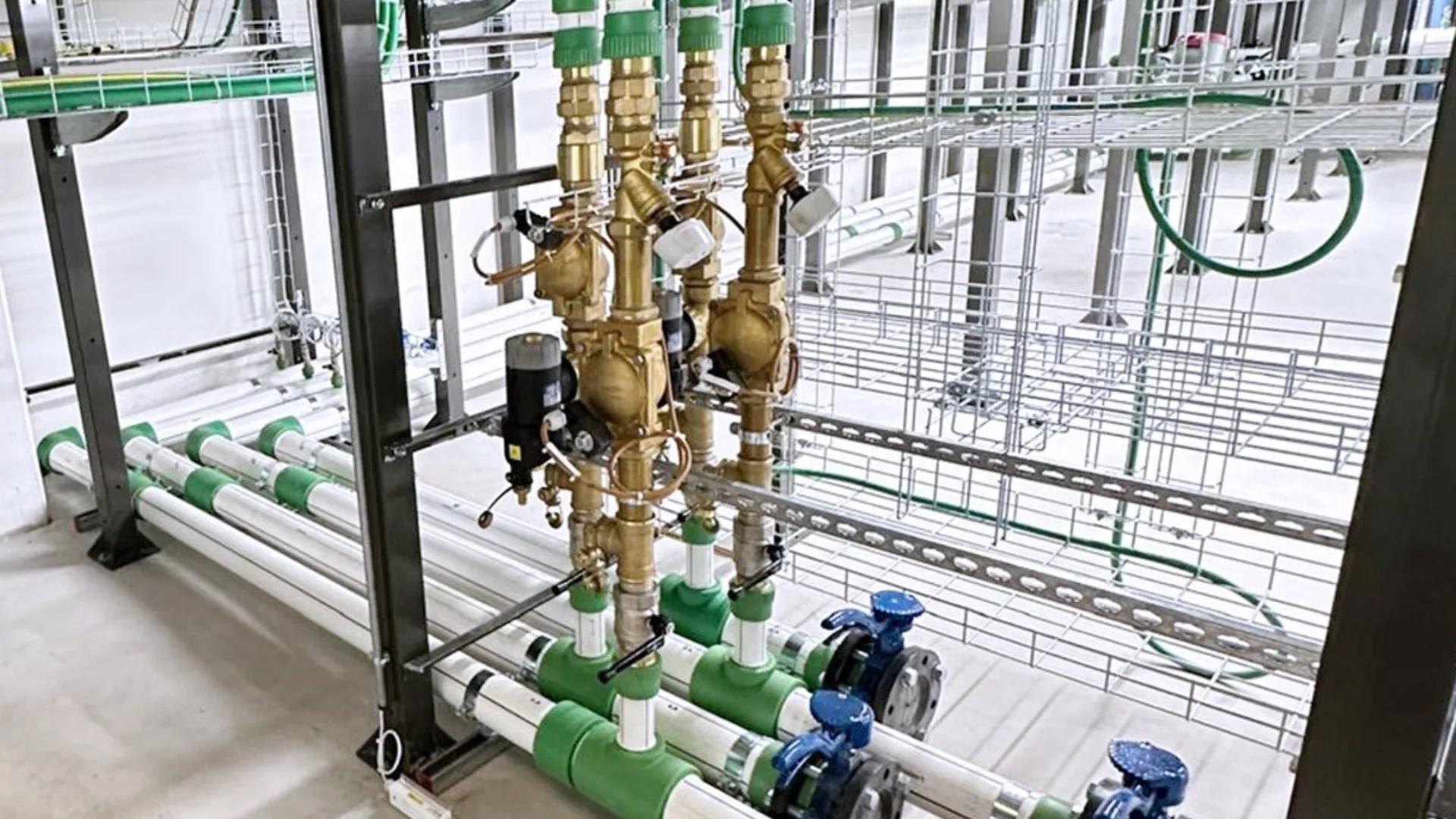
One of the most important valve technologies for modern data centers is the Pressure Independent Control Valve (PICV).
A PICV combines flow regulation and pressure control so that the required flow can be maintained despite changes in differential pressure within the HVAC system.
This is particularly useful in data centers because cooling demand can change depending on:
- Server load
- Rack load
- Operating mode
- Cooling demand
- Equipment staging
- Expansion of the facility
Crane specifically highlights PICVs for data centers because they can provide accurate flow control under changing dynamic loads.
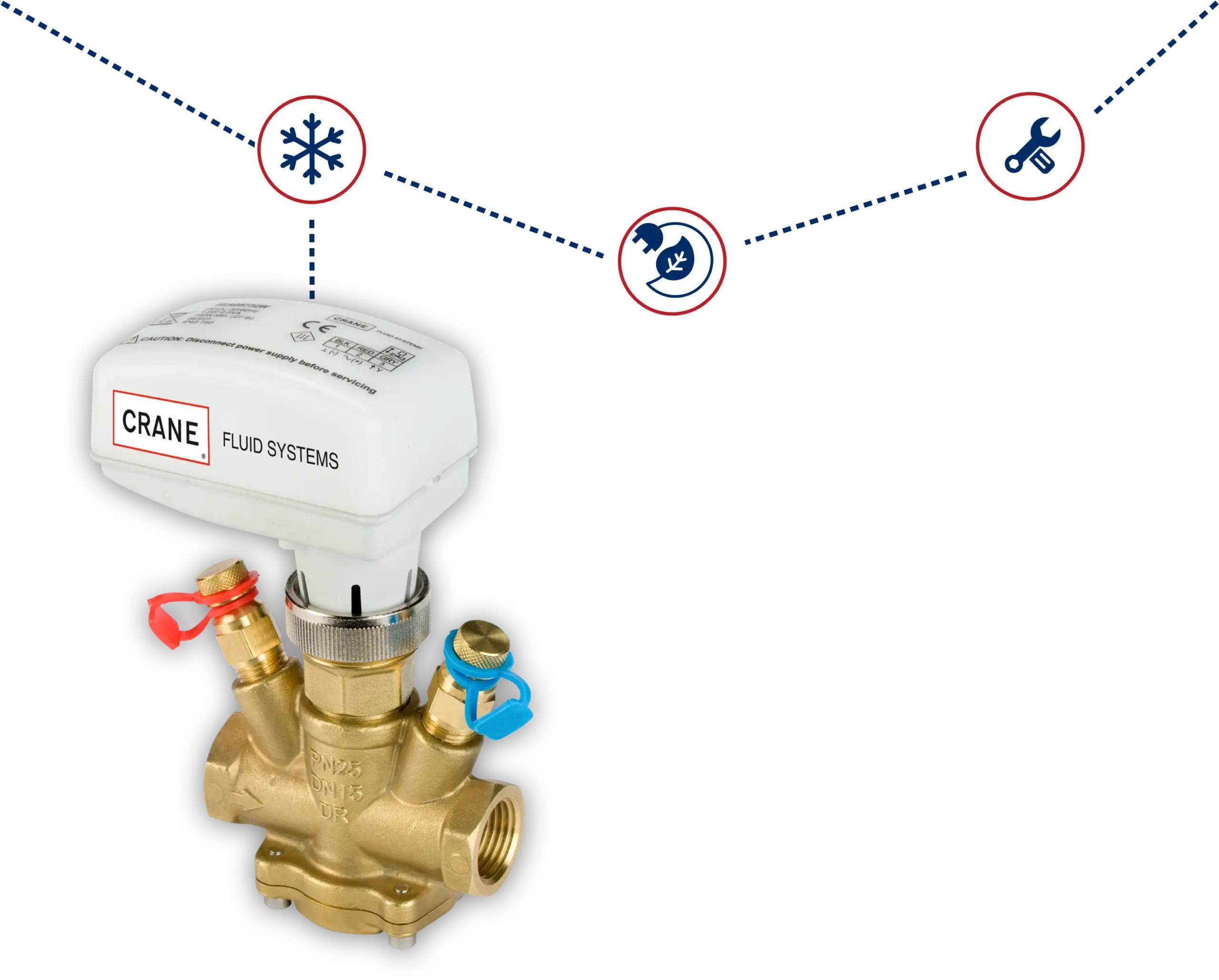
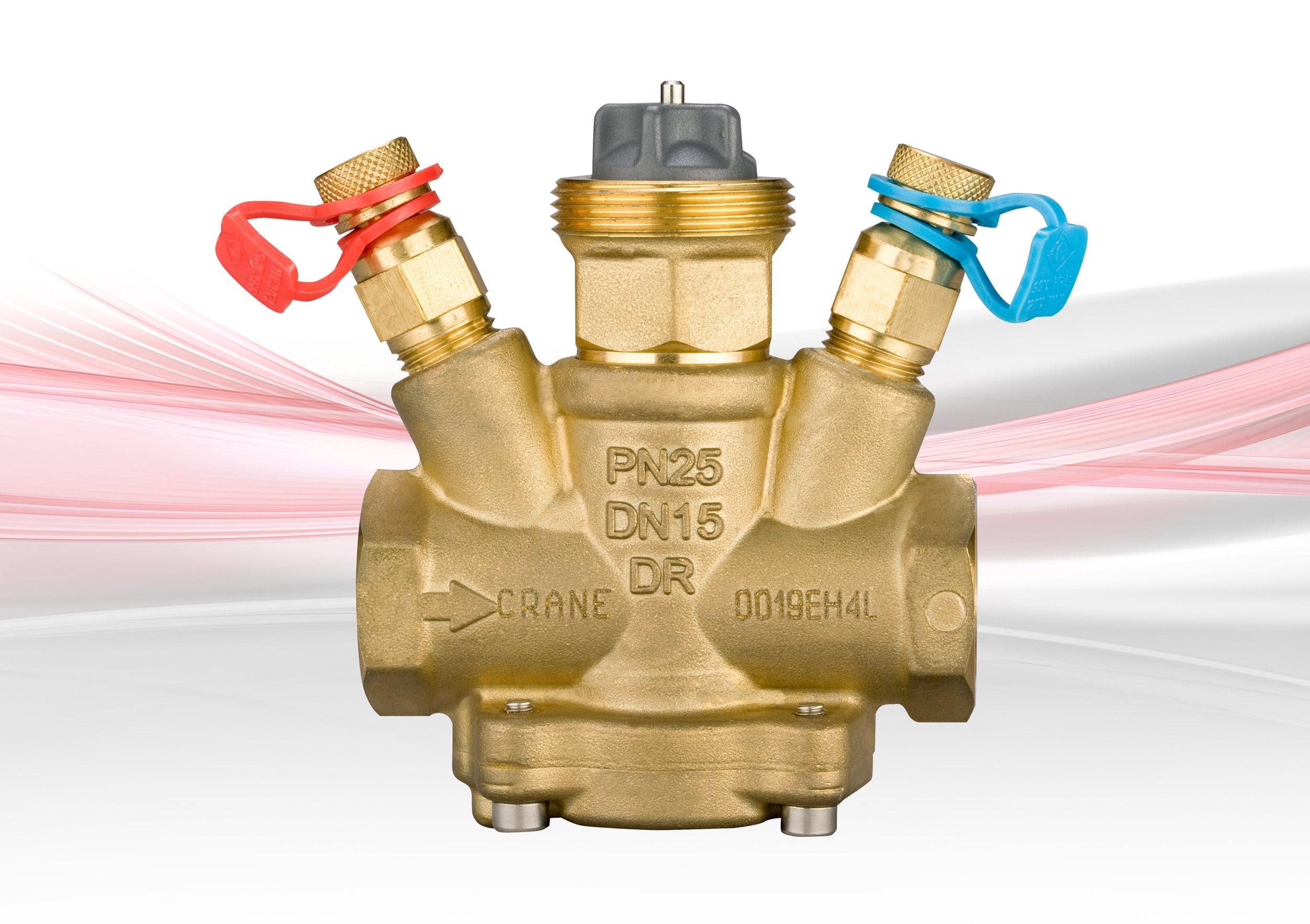
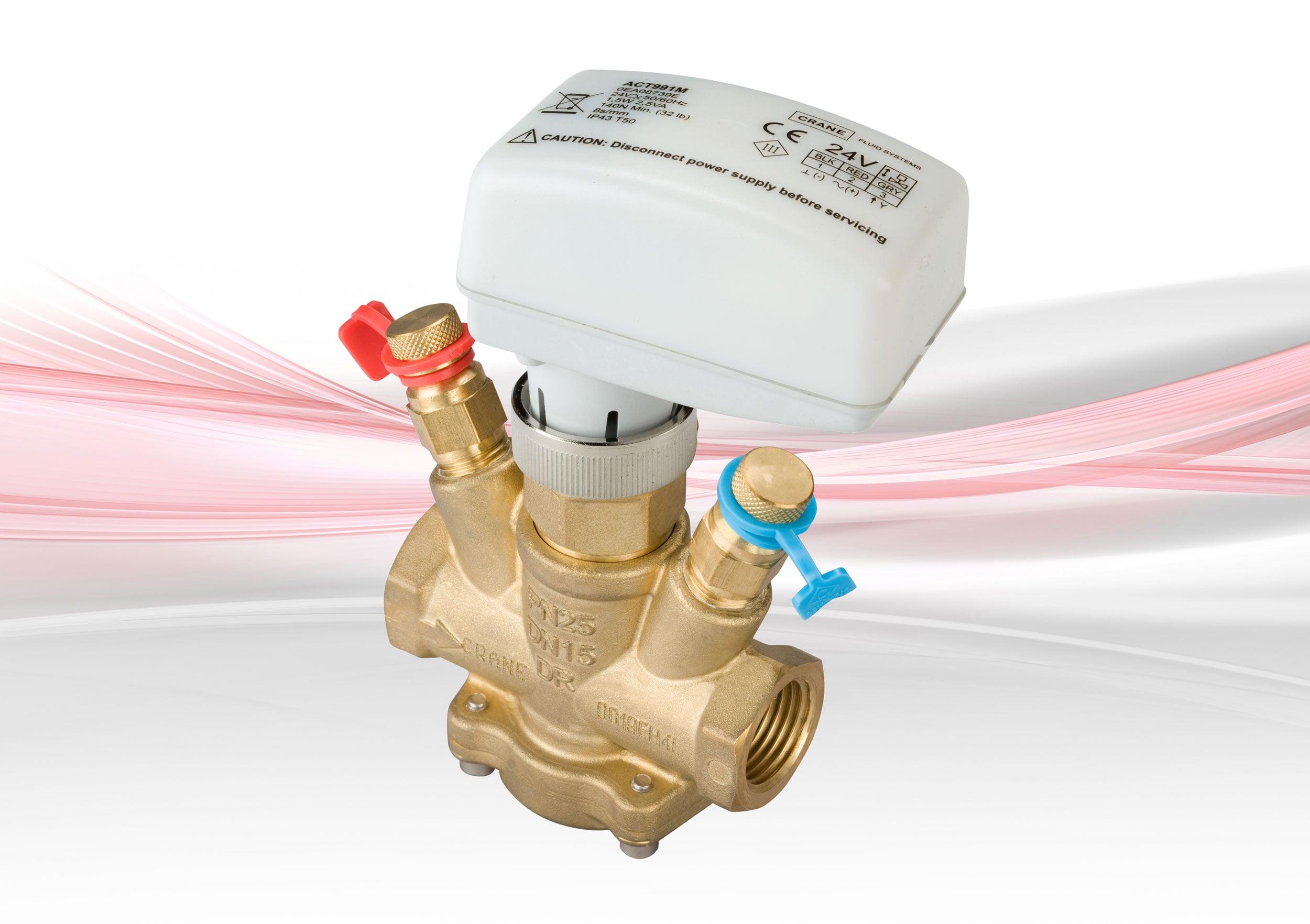
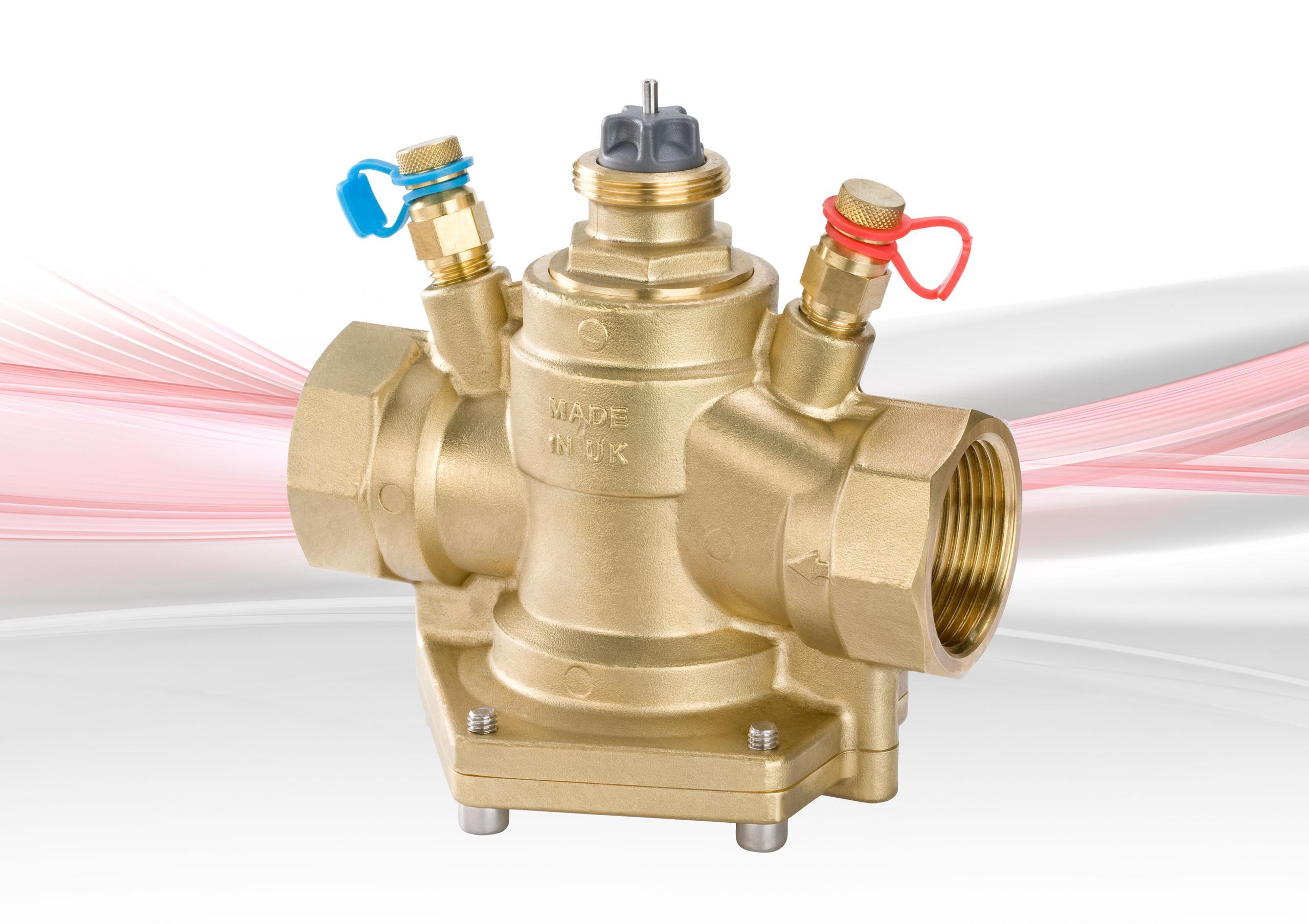
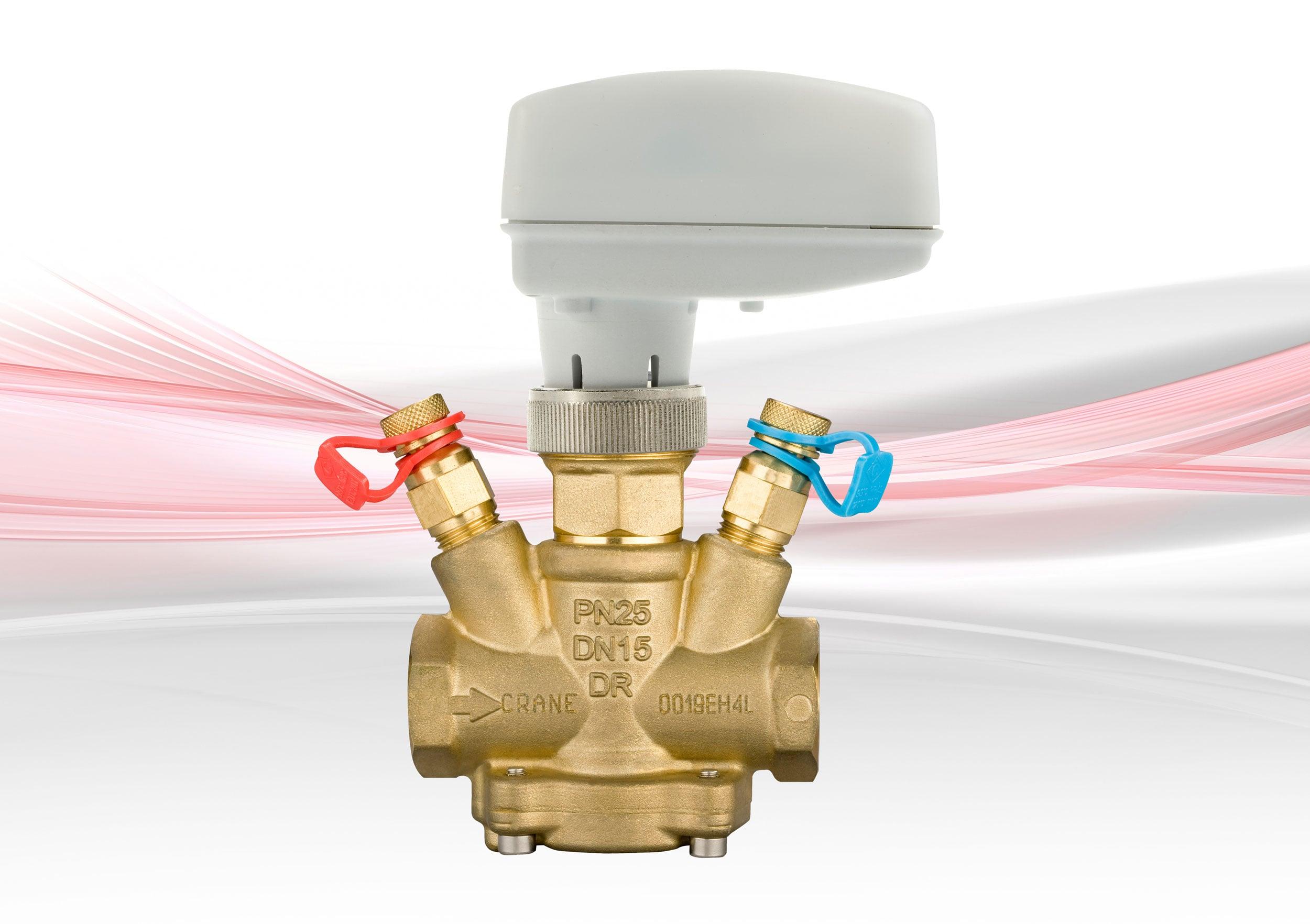
Crane D995 PICV
The D995 Connected PICV is part of Crane Fluid Systems’ Connected Solutions portfolio.
It is available in sizes including:
- DN15
- DN20
- DN25
- DN32
- DN40
- DN50
This makes it suitable for smaller terminal-unit and branch-circuit applications.
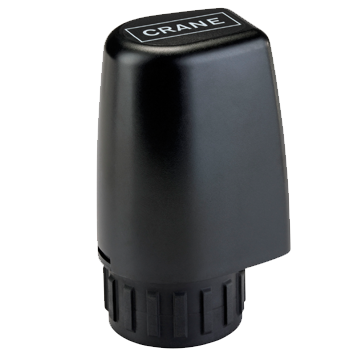
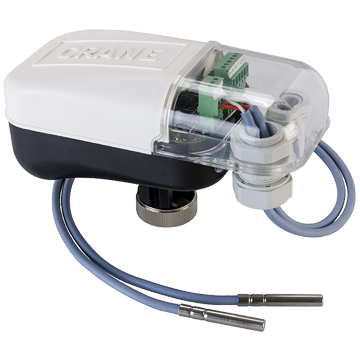
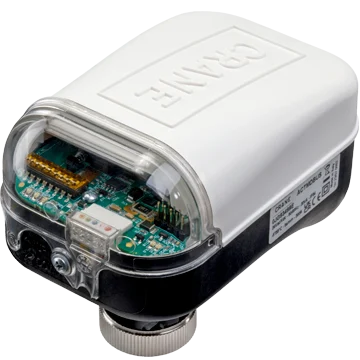
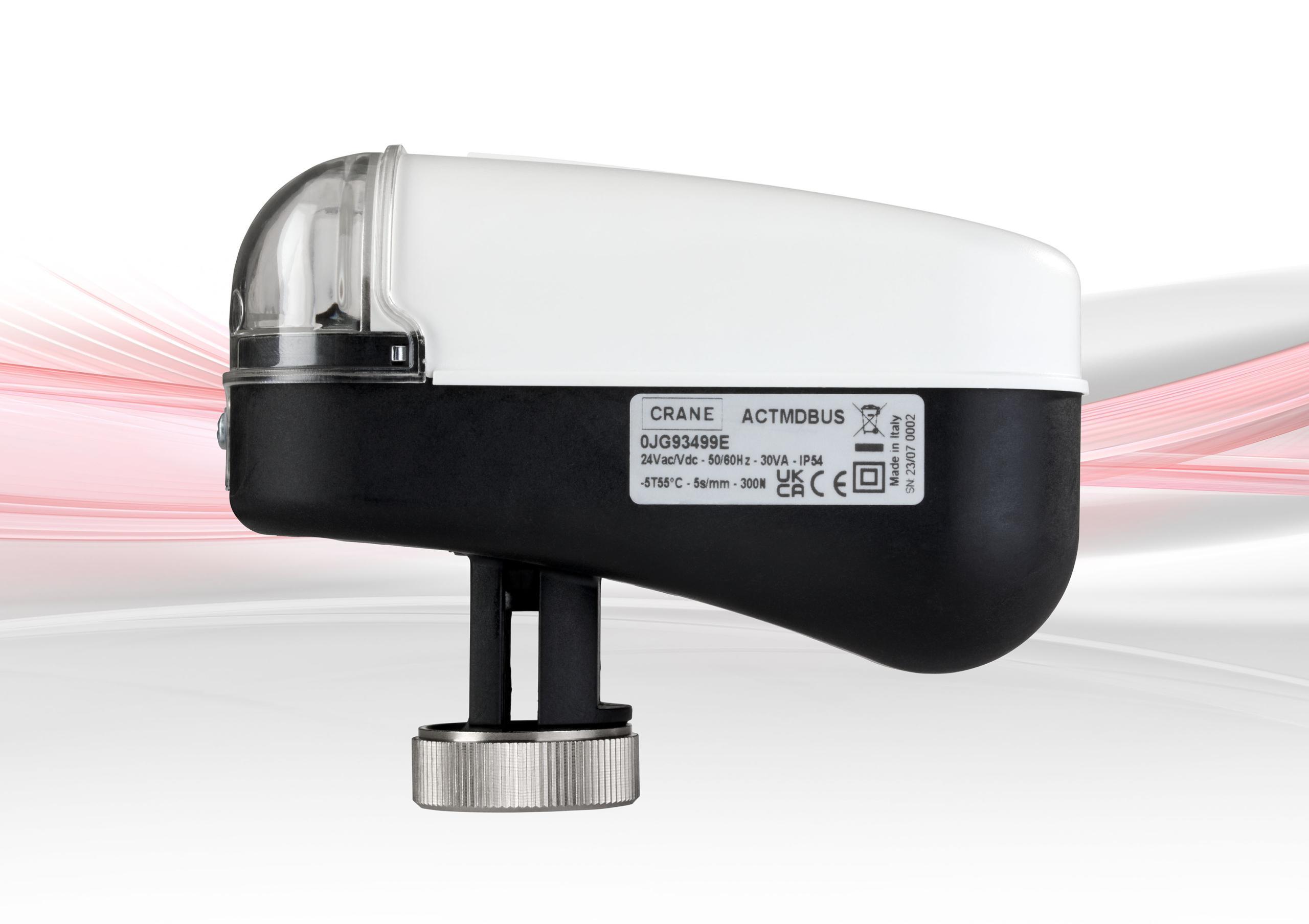
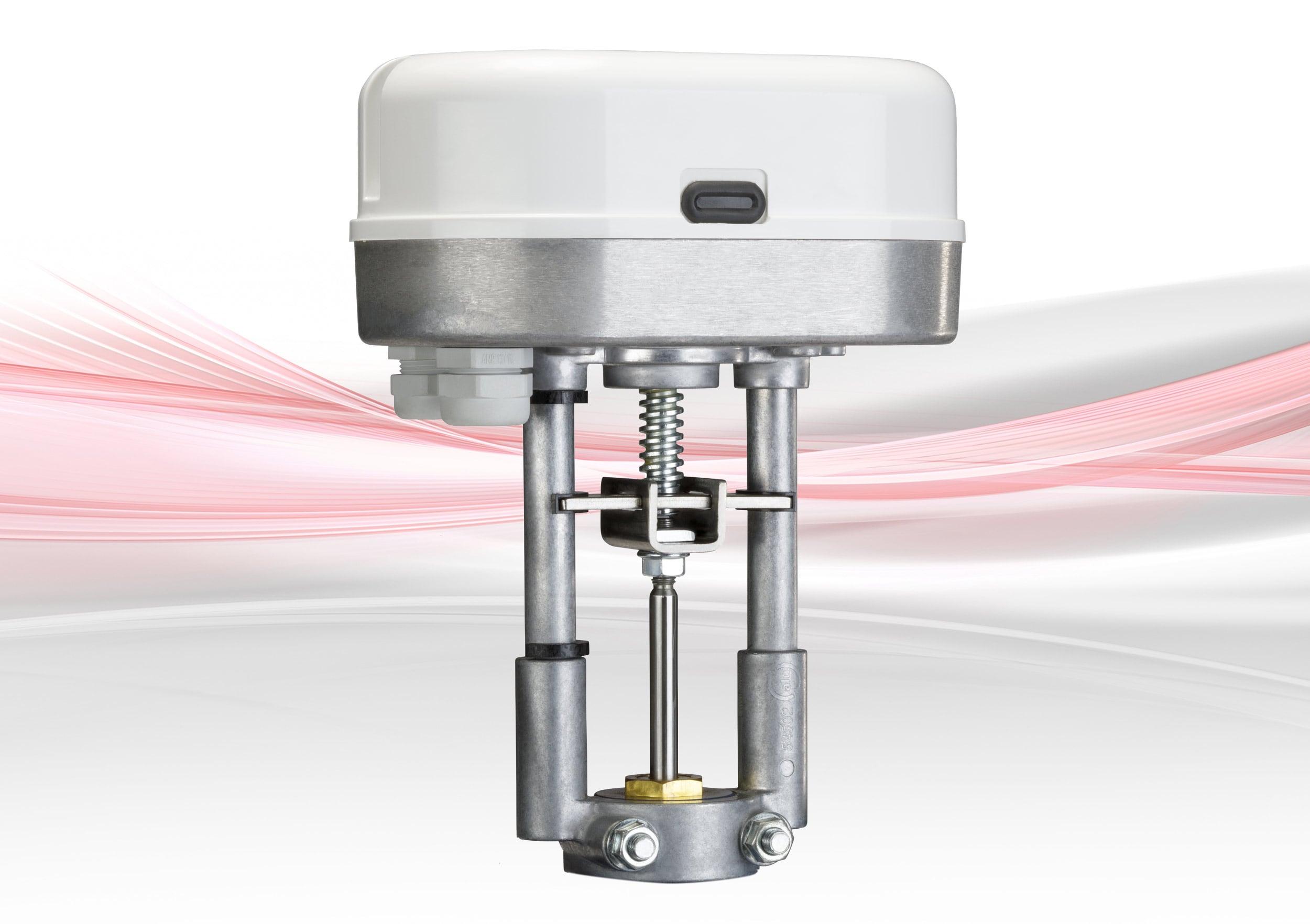
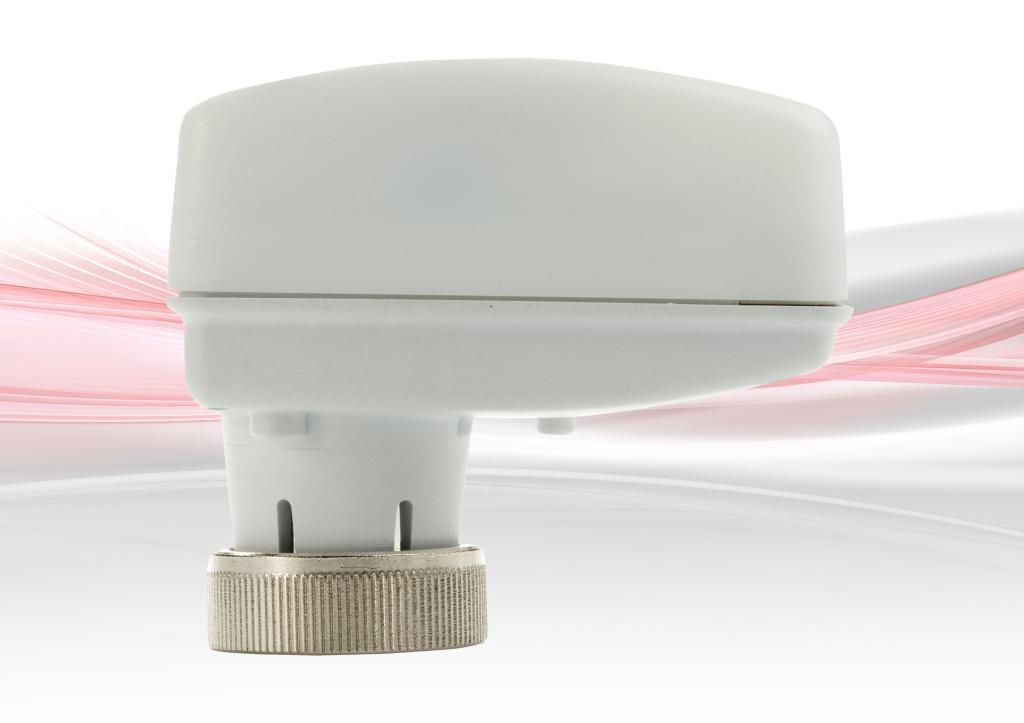
The D995 can be combined with Crane actuators for modulating control and BMS integration.
3. Electronic PICV and Energy Management
For modern smart data centers, Crane also offers Electronic Pressure Independent Control Valves (E-PICV).
The D996F and D997F provide electronic flow control using integrated pressure sensing.
Crane states that the D996F can communicate through Modbus, allowing flow information to be shared with the BMS.
The D997F goes further by combining:
- Flow control
- Pressure measurement
- Temperature sensing
- Energy monitoring
- ΔT optimisation
- Modbus RTU communication
This allows the valve to provide both hydronic control and operating data to the building management system.
For data centers, this can be valuable because cooling-system performance can be monitored and optimized continuously.
4. Control Valves for CRAH and CRAC Systems
Data centers commonly use CRAH (Computer Room Air Handler) or CRAC (Computer Room Air Conditioner)systems.
Control valves regulate the chilled-water flow through cooling coils.
A typical arrangement is:
Chilled Water Supply → Control Valve → CRAH/CRAC Coil → Chilled Water Return
The control valve modulates according to cooling demand.
When server heat load increases, the valve can open further to increase chilled-water flow through the coil.
When the cooling requirement decreases, the valve closes to reduce flow.
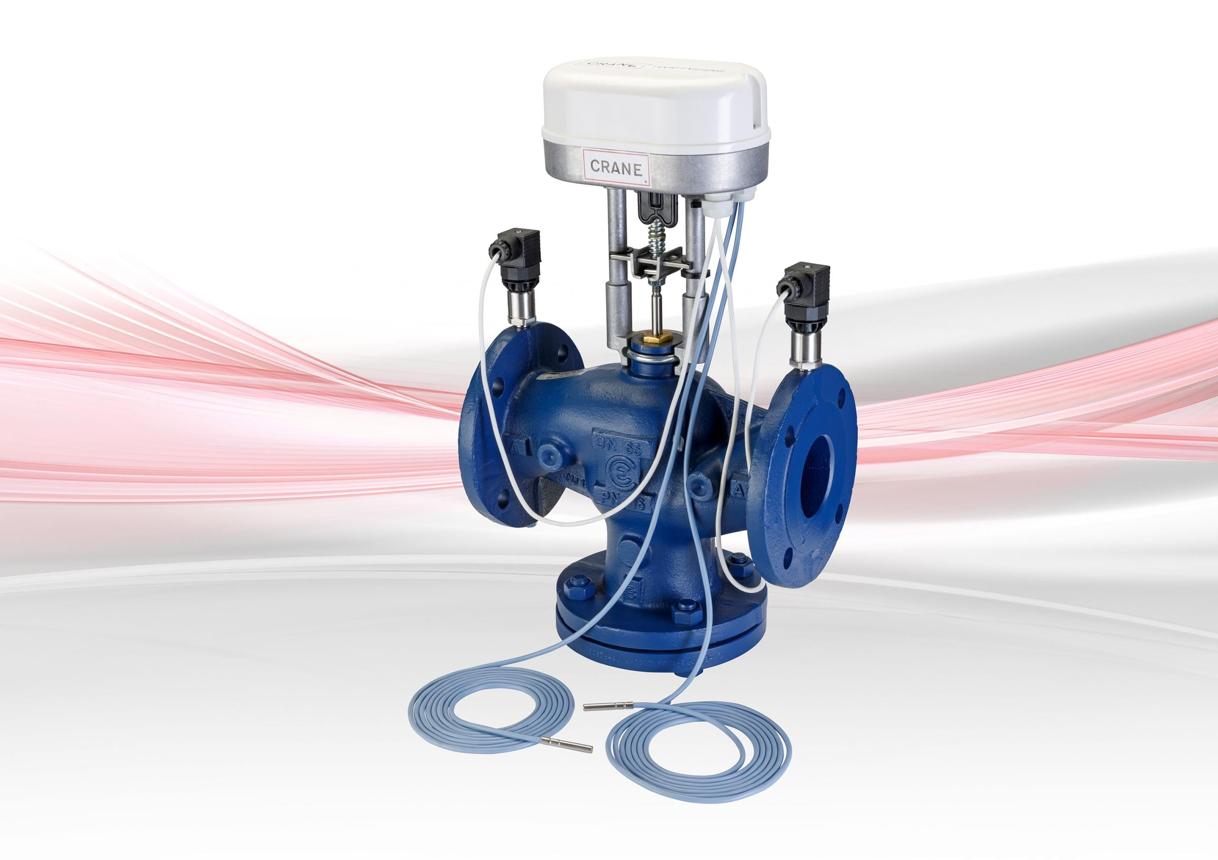
Crane’s range of connected control valves can provide solutions for variable-flow HVAC systems. Its D103B, for example, can be combined with modulating actuators for BMS control.
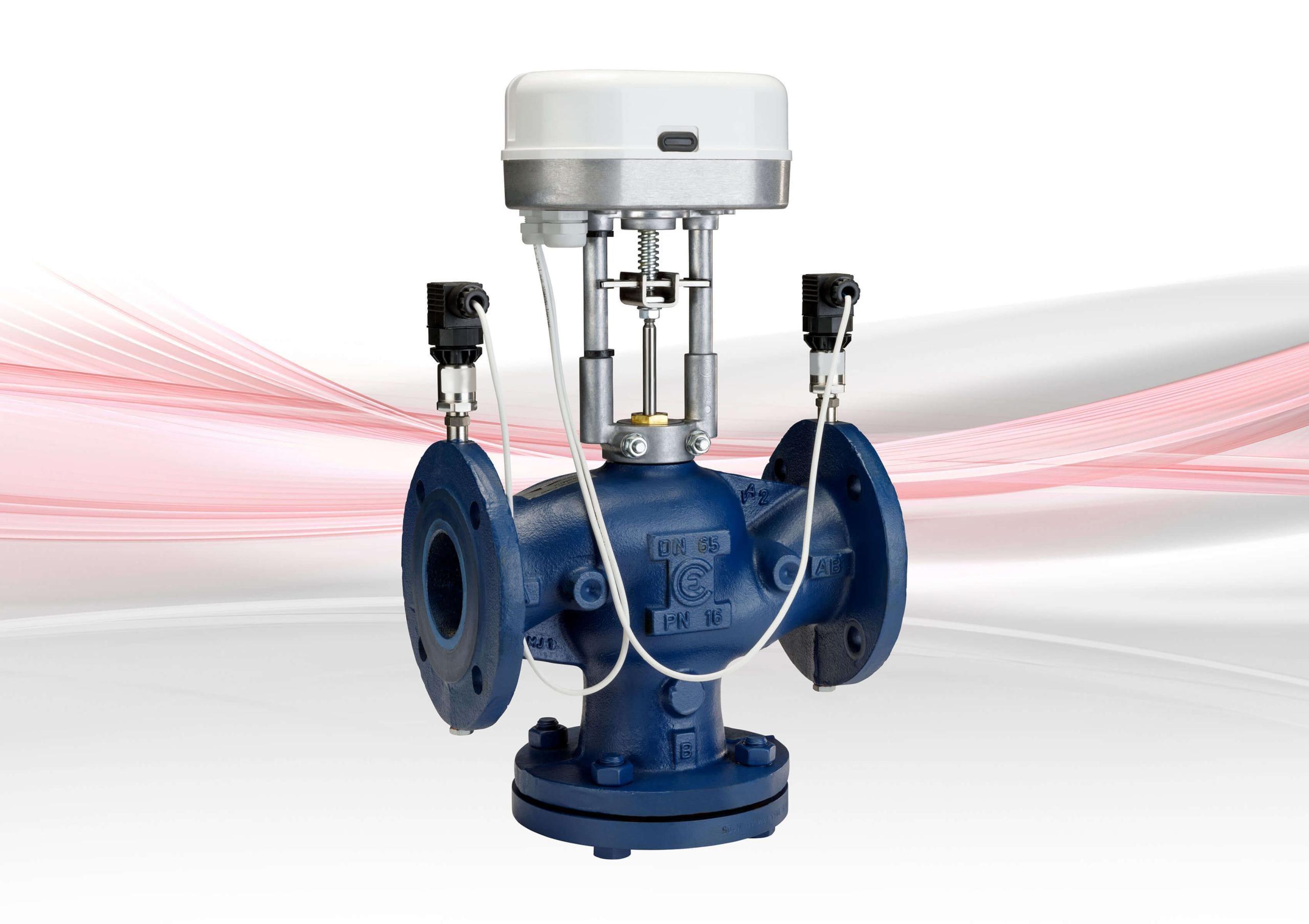
5. Three-Port Control Valves
Three-port valves can be useful in specific HVAC and cooling-system configurations.
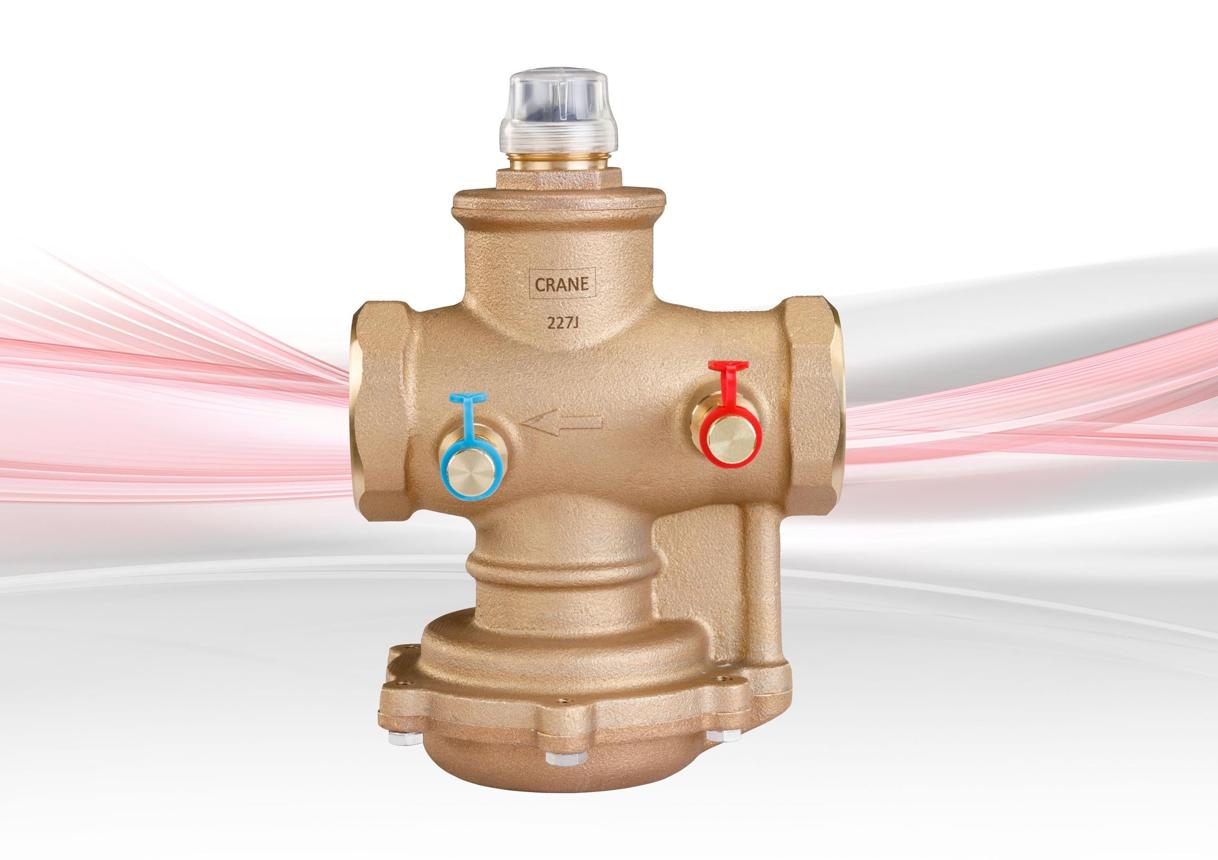
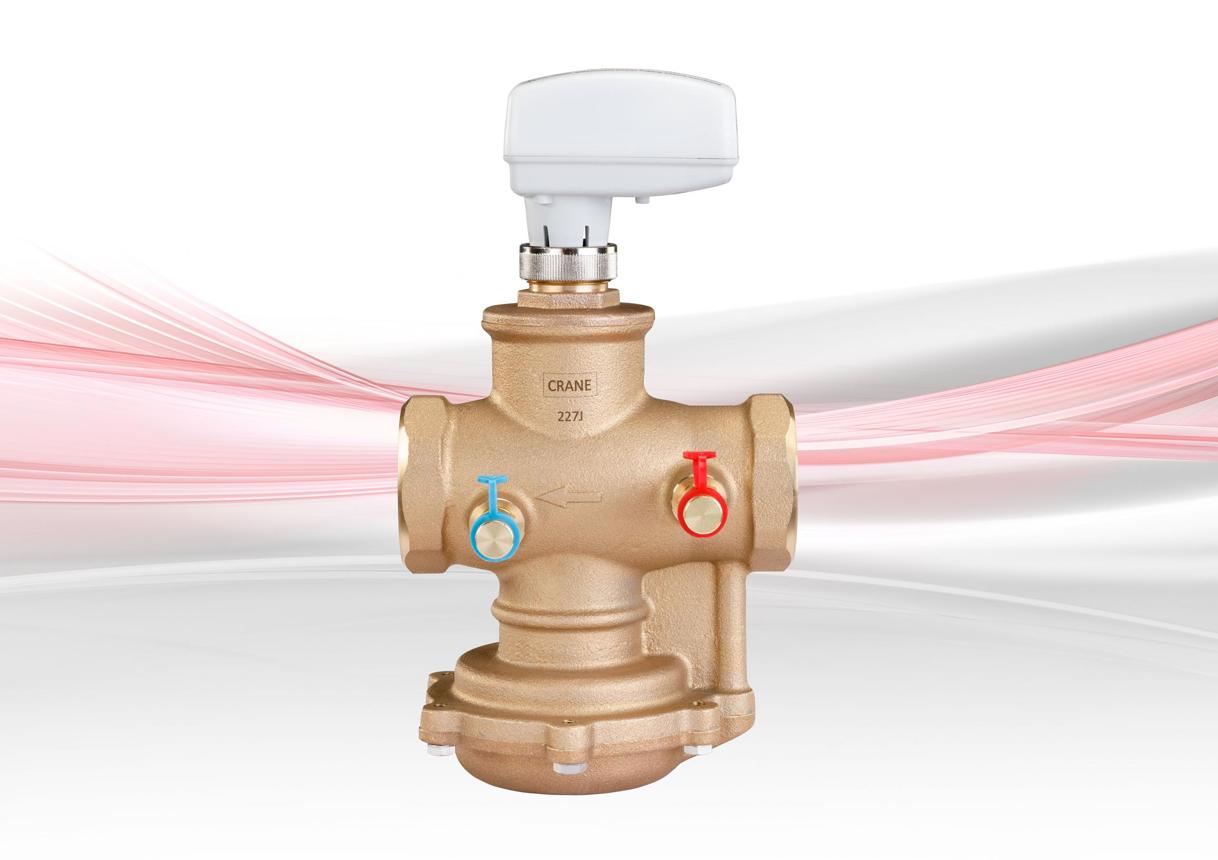
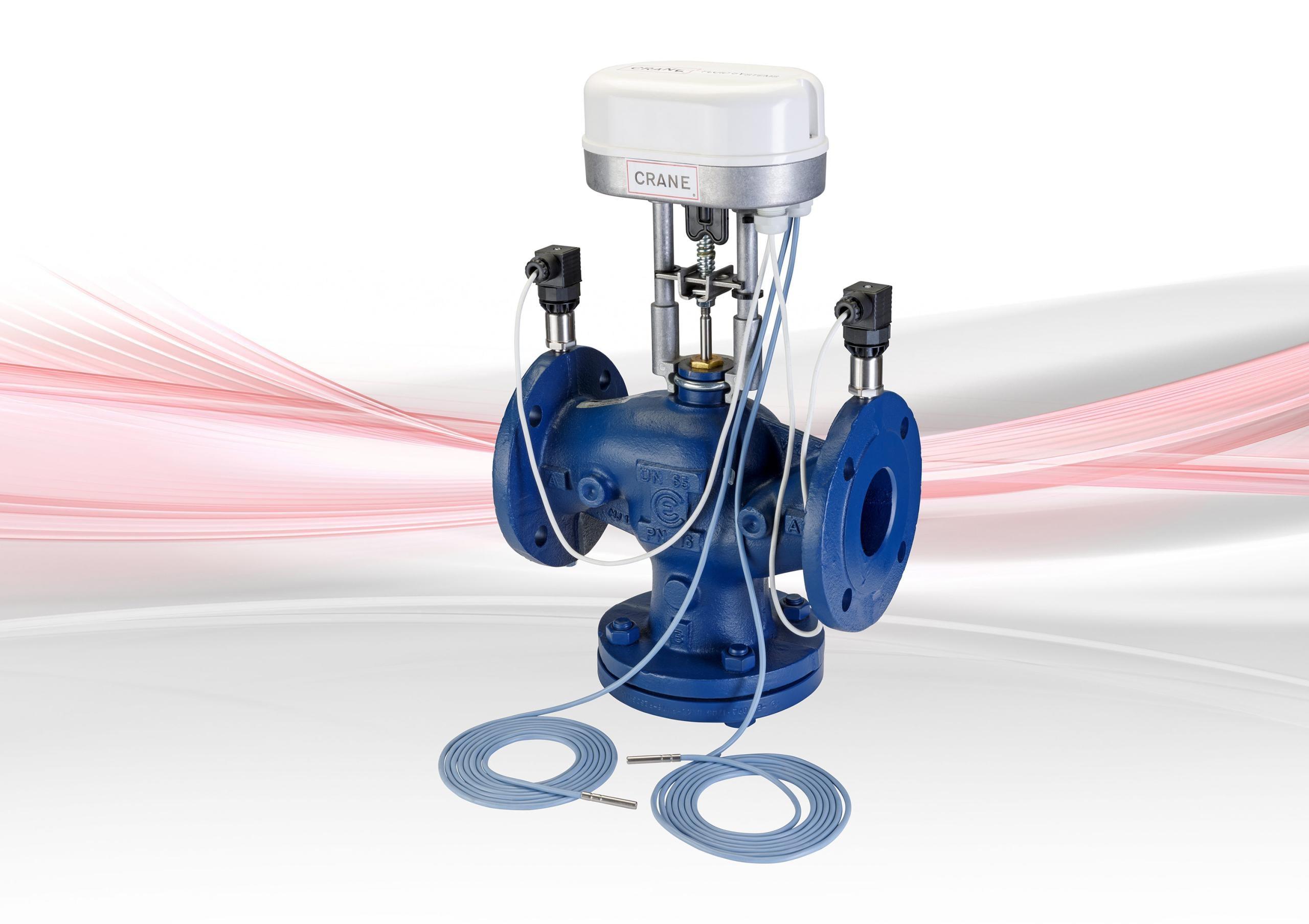
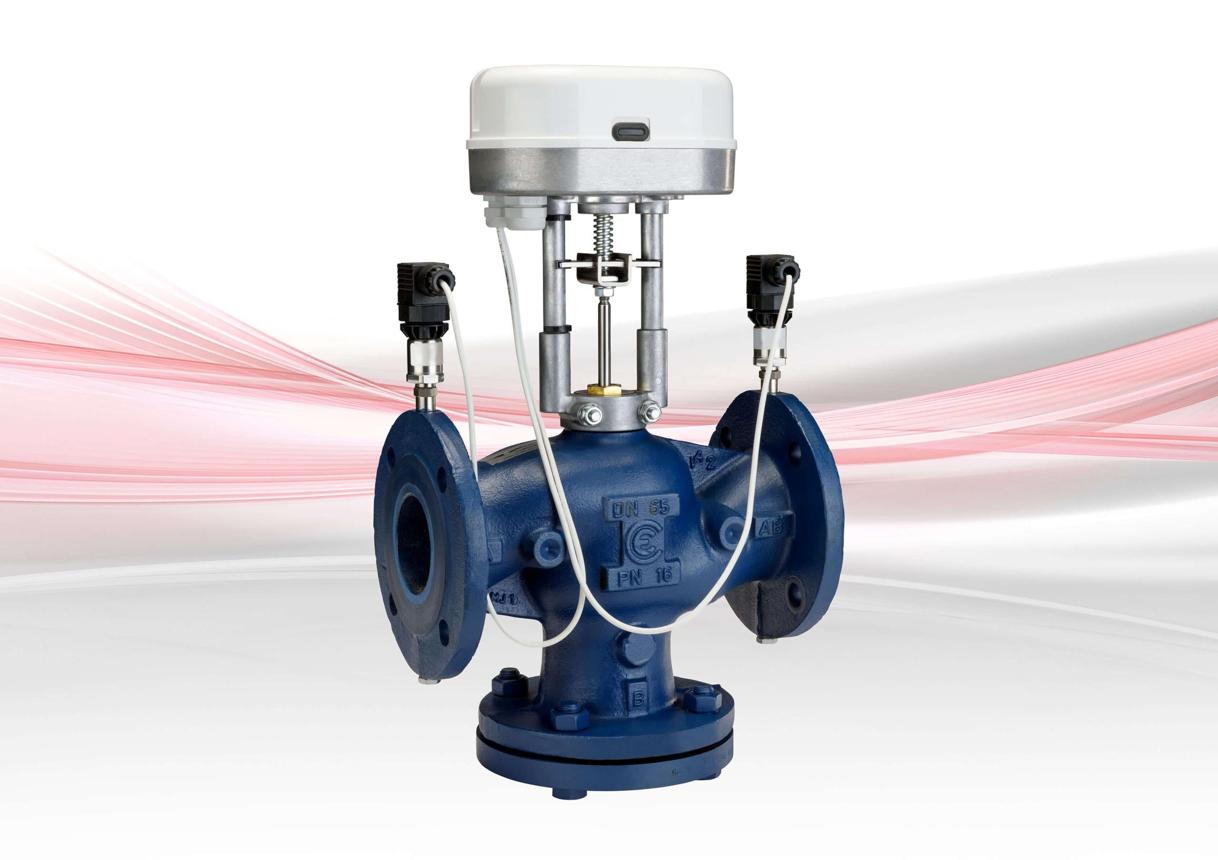
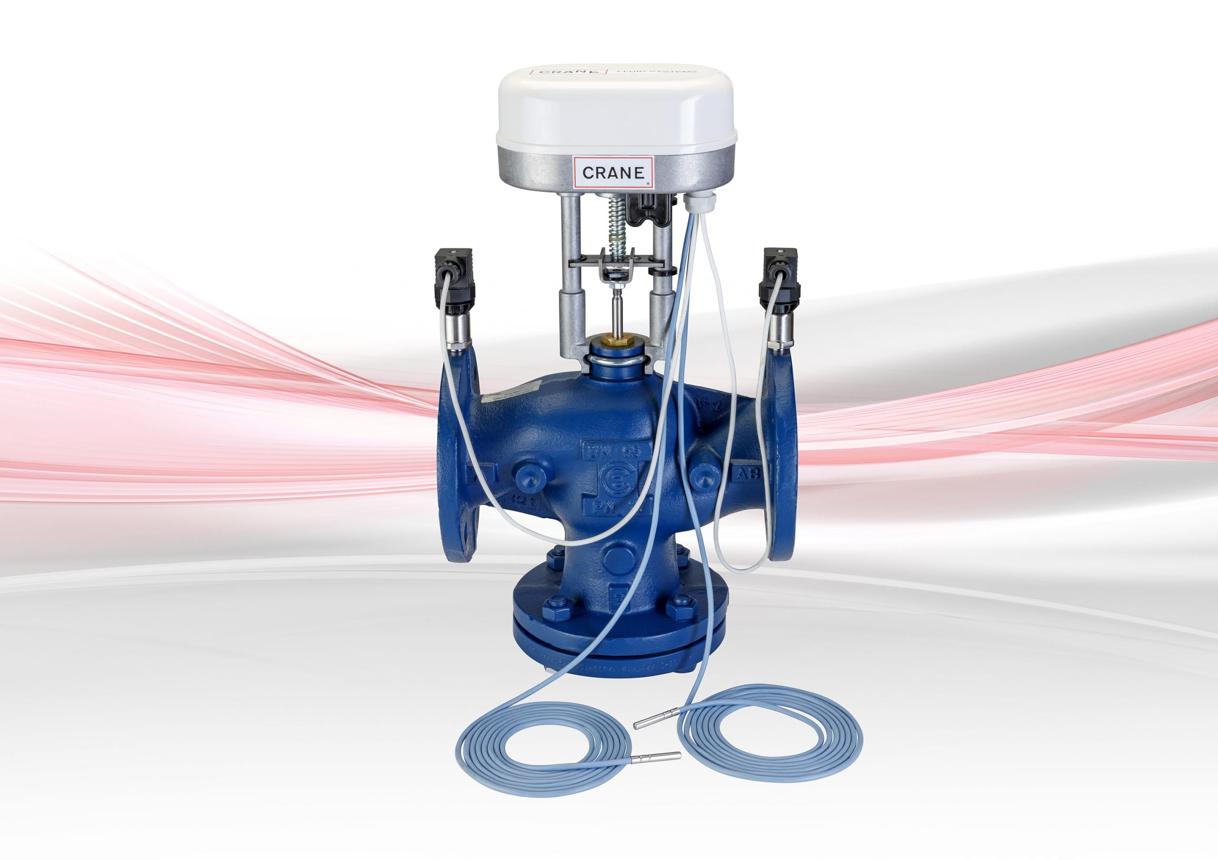
The Crane D103B is a PN16 three-port control valve designed for variable-flow and constant-flow applications.
Crane identifies applications including:
- Zone control
- Terminal bypass
- End-of-line bypass
- Terminal-unit applications
The valve can be combined with the ACT991M modulating actuator for modulating control and BMS integration.
This type of valve can be useful where bypass flow or minimum circulation needs to be maintained.
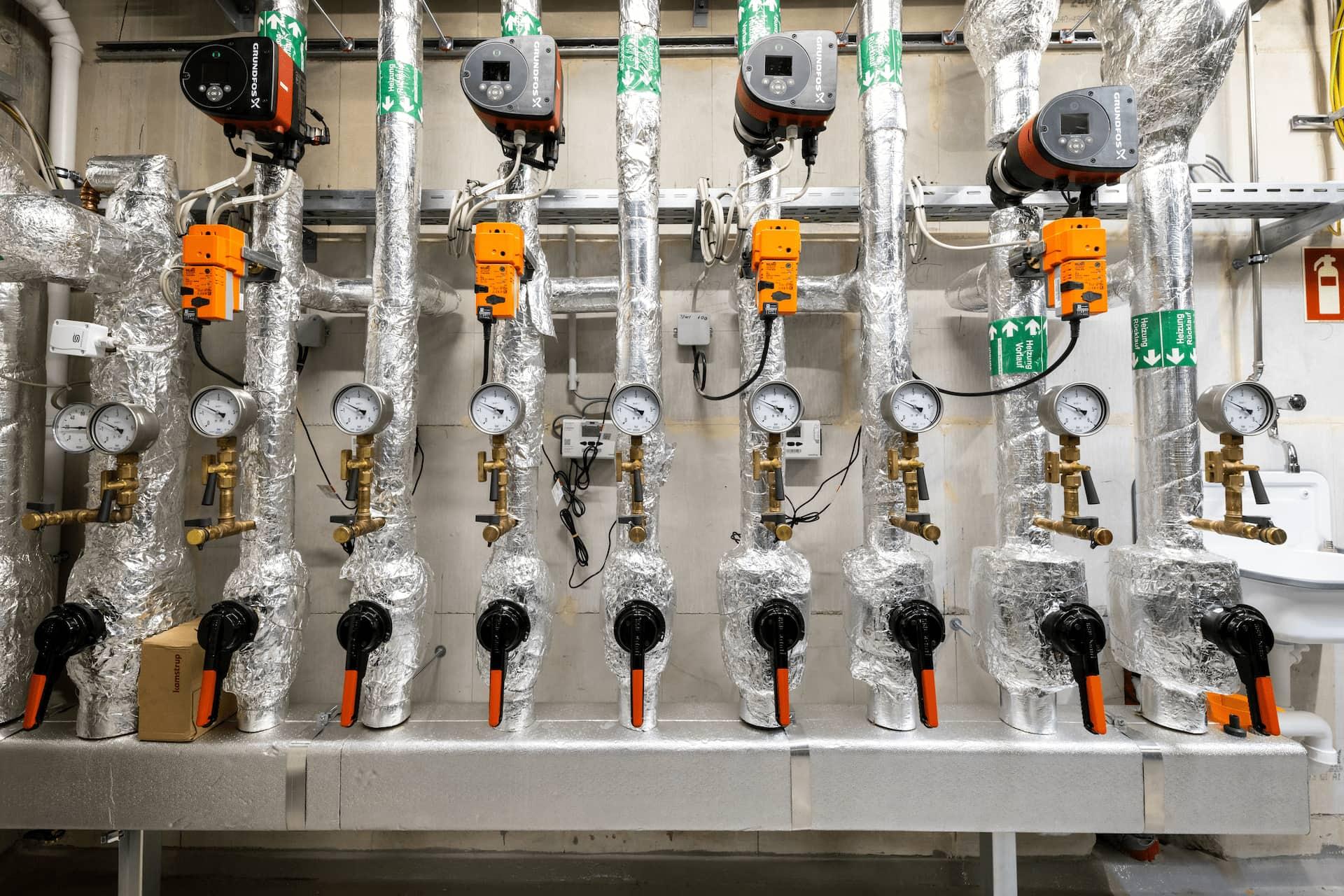
6. Butterfly Valves for Cooling-System Isolation
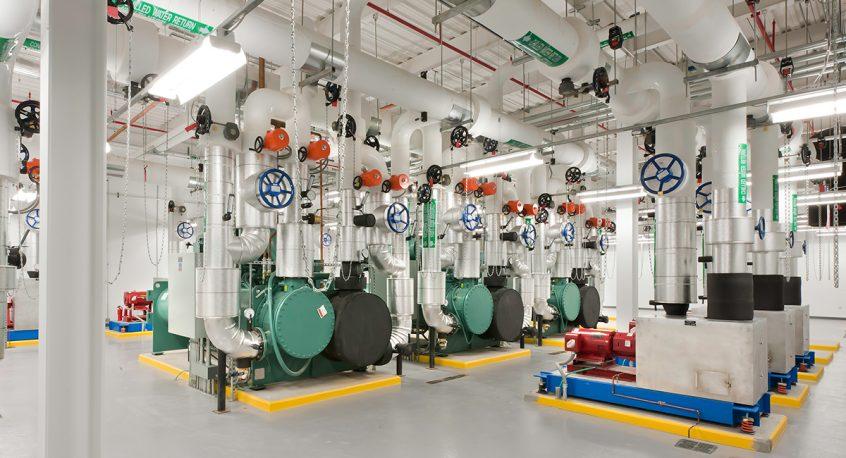
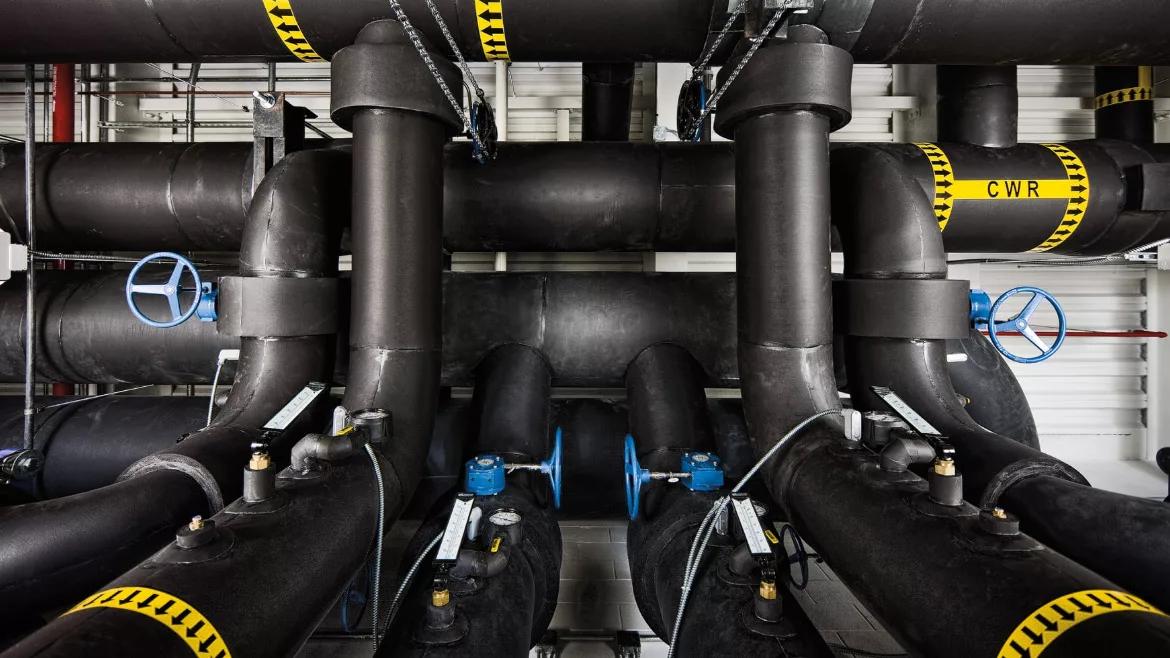
Large data-center cooling systems contain extensive chilled-water and condenser-water piping.
Butterfly valves are particularly suitable for isolating large-diameter pipework.
Typical applications include:
- Chillers
- Cooling towers
- Pumps
- Heat exchangers
- CRAH systems
- CDU systems
- Main chilled-water headers
- Branch piping
Crane states that butterfly valves are a critical part of data-center cooling-system design because they allow sections serving blocks of servers to be isolated for maintenance.
Crane Fluid Systems offers butterfly valves in a wide range of sizes and materials, operated by:
- Lever
- Gearbox
- Actuator
Crane also states that its butterfly valves are 100% production tested to BS EN 12266-1.
7. Motorized Butterfly Valves
For larger cooling systems, manually operated valves may not be sufficient.
Actuated butterfly valves can provide:
- Remote isolation
- Automatic changeover
- BMS control
- Emergency shut-off
- Automated maintenance sequences
A typical configuration is:
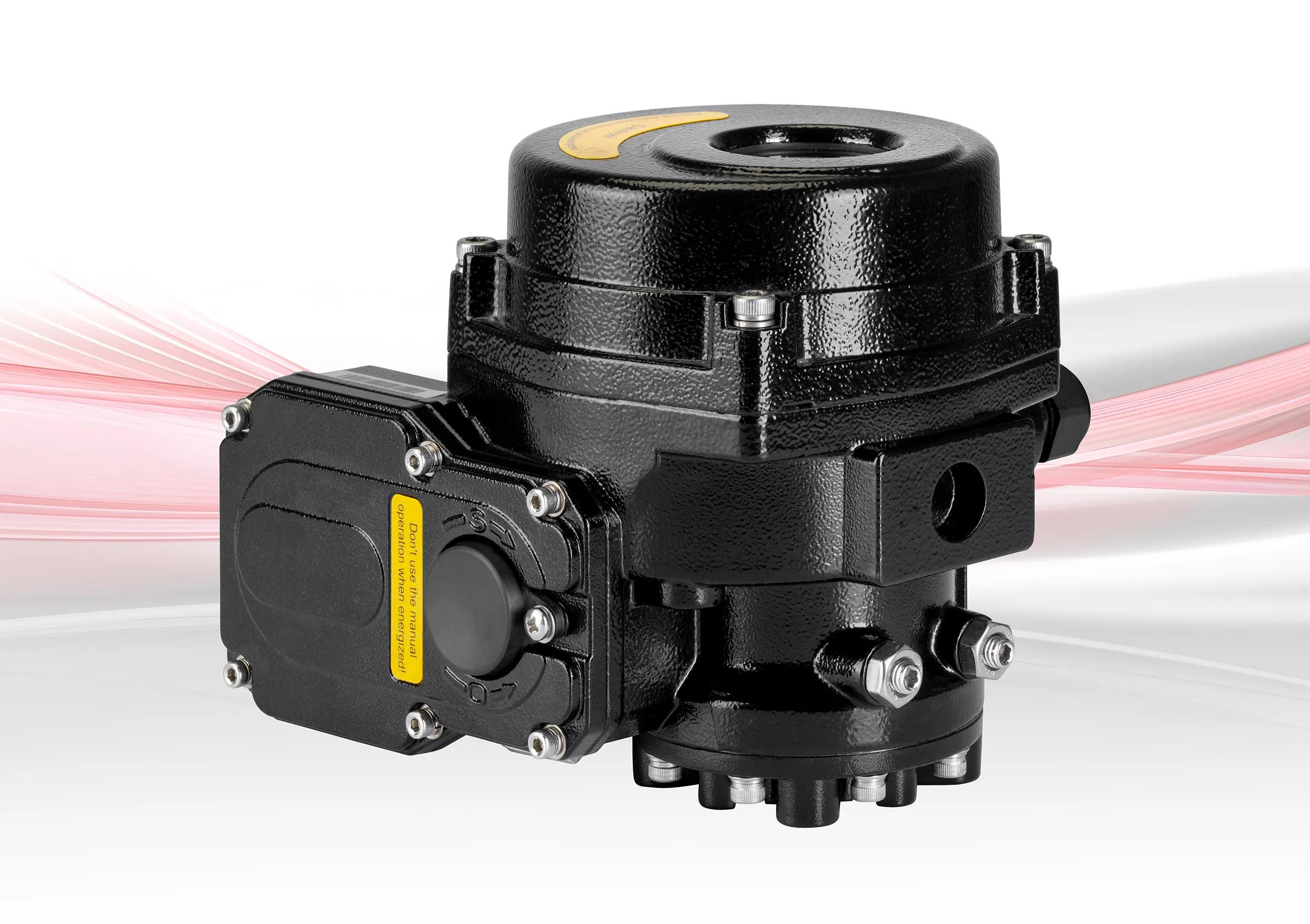
Butterfly Valve + Electric Actuator → BMS
This allows the data-center operator to control valve position without physically accessing the valve.
This is especially useful for large mechanical rooms and cooling plants.
8. Ball Valves for Small-Bore Applications
Ball valves are commonly used for smaller pipework and equipment connections.
Typical data-center applications include:
- Instrument connections
- Drain points
- Equipment isolation
- Small cooling branches
- Fan-coil/terminal equipment
- Water treatment connections
- Maintenance isolation
Crane’s General Valves portfolio includes a wide range of ball valves.
For a data center, ball valves can complement larger butterfly and control valves by providing local isolation at smaller equipment and branches.
9. Check Valves
Check valves are used to prevent reverse flow.
This is important in systems containing:
- Multiple pumps
- Parallel cooling circuits
- Chilled-water pumps
- Condenser-water pumps
- CDU circuits
- Secondary cooling loops
A check valve can prevent unwanted reverse circulation when one pump is stopped while another pump remains operational.
Crane Fluid Systems offers a dedicated range of check valves within its General Valves portfolio.
10. Strainers for Cooling Equipment Protection
Strainers are another important component of the hydronic system.
They can help protect:
- Control valves
- PICVs
- Pumps
- Heat exchangers
- Cooling coils
- CDUs
from debris and contaminants in the water circuit.
Crane’s range includes multiple strainer configurations, including large-diameter models suitable for HVAC and mechanical-services applications.
A typical arrangement can be:
Pipe → Strainer → Control Valve → Cooling Equipment
This can help protect downstream control components and maintain system reliability.
11. Valves for Chiller Plants
The central chiller plant is one of the most important areas for valve applications.
A typical system can include:
Chiller → Pump → Chilled Water Header → Distribution → CRAH/CDU → Return
Crane valves can be applied at various points for:
- Isolation
- Flow control
- Balancing
- Check-flow protection
- Drainage
- Air removal
Large butterfly valves can be used for equipment isolation, while control and balancing valves provide hydraulic control.
12. Cooling Tower Applications
Cooling towers are often located outdoors and require reliable flow-control and isolation equipment.
Crane valves can be used for:
- Condenser-water isolation
- Pump isolation
- Cooling-tower branches
- Drain connections
- Make-up water
- Bypass systems
Butterfly valves are particularly appropriate for larger condenser-water piping because of their compact construction and suitability for large diameters.
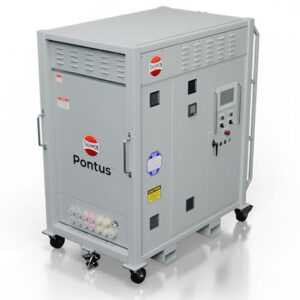
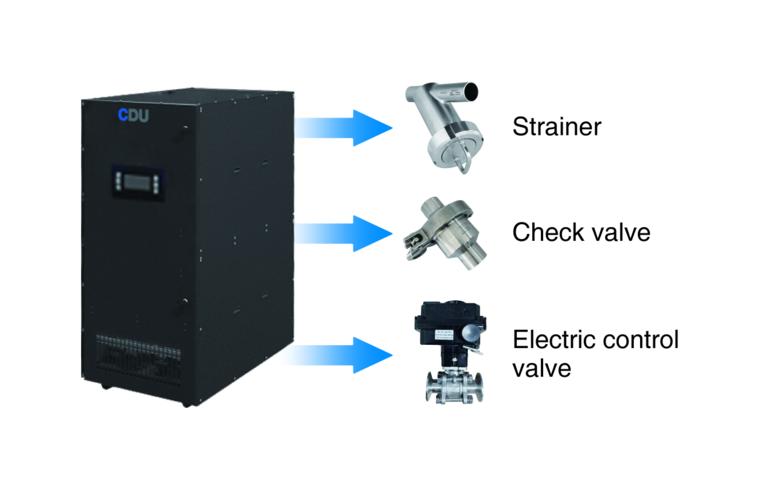
13. Coolant Distribution Units – CDU
The rapid adoption of liquid cooling for AI and HPC servers is increasing the importance of Coolant Distribution Units (CDUs).
A CDU separates or manages the cooling loops between the facility cooling system and the IT equipment.
Valves can be used for:
- CDU inlet isolation
- CDU outlet isolation
- Flow control
- Bypass
- Maintenance
- Balancing
- Pressure-independent control
For smaller branches, PICVs and control valves can provide precise flow management.
For larger CDU connections, actuated butterfly valves can provide reliable isolation.
14. Liquid Cooling for AI and HPC Data Centers
High-density AI servers generate significantly more heat than conventional IT equipment.
Liquid cooling can therefore become a critical part of the cooling architecture.
A simplified arrangement is:
Chiller Plant
↓
Primary Cooling Loop
↓
CDU
↓
Secondary Coolant Loop
↓
AI/HPC Racks
↓
Heat Exchanger / CDU
↓
Cooling Plant
Crane valves can potentially be applied throughout this hydraulic infrastructure for:
- Flow control
- Isolation
- Balancing
- Check-flow protection
- Maintenance
The exact valve type and material must be selected according to the coolant, pressure, temperature, pipe size and project requirements.
15. Balancing Valves
Hydronic balancing is particularly important in large data centers.
Without proper balancing, some cooling units may receive excessive flow while others receive insufficient flow.
This can result in:
- Uneven cooling
- Poor ΔT
- Increased pump energy
- Reduced cooling efficiency
- Unstable system performance
Crane’s ProBalance range includes static balancing valves and flow-management products designed to provide accurate hydronic balancing.
This allows engineers to establish the required design flow through individual branches and equipment.
16. Pressure Independent Flow Control
Traditional balancing systems can become more difficult to manage as the system operating conditions change.
Data centers can have highly dynamic loads because server loads change continuously.
PICVs help address this issue by maintaining controlled flow despite variations in system differential pressure.
Crane specifically identifies this characteristic as one of the reasons PICVs are valuable in data-center cooling systems.
This can help simplify commissioning and improve flow-control stability.
17. BMS Integration
Modern data centers increasingly rely on centralized monitoring and control.
Crane Connected Solutions can integrate valves with the Building Management System (BMS).
Depending on the selected product, functions can include:
- Valve position feedback
- Flow monitoring
- Differential-pressure monitoring
- Temperature monitoring
- Modulating control
- Energy monitoring
- Modbus communication
The D997F E-PICV+, for example, provides Modbus RTU connectivity and can communicate flow, ΔP and valve-position information to the BMS.
This creates a more intelligent hydronic-control system.
18. Maintenance and Isolation
Data-center cooling systems must be designed for maintenance without unnecessarily affecting the rest of the facility.
Crane specifically highlights isolation as a critical application for data-center valves. Butterfly valves can isolate sections of cooling systems serving individual blocks of servers.
A typical arrangement may include:
Main Header → Isolation Valve → Cooling Equipment → Isolation Valve → Return Header
This allows equipment to be isolated for:
- Preventive maintenance
- Valve replacement
- Pump servicing
- Heat-exchanger maintenance
- CDU maintenance
while keeping other cooling circuits operational.
19. Crane Valves for Different Data Center Applications
| Data Center Application | Recommended Crane Valve Type |
|---|---|
| CRAH/CRAC coil control | PICV / Control Valve |
| CDU flow control | PICV / Control Valve |
| Main chilled-water isolation | Butterfly Valve |
| Condenser-water isolation | Butterfly Valve |
| Chiller isolation | Butterfly Valve |
| Pump isolation | Butterfly / Ball Valve |
| Small equipment isolation | Ball Valve |
| Reverse-flow protection | Check Valve |
| Hydronic balancing | Balancing Valve / PICV |
| Differential-pressure control | DPCV / PICV |
| BMS-integrated control | E-PICV / Actuated Control Valve |
| Large pipework | Butterfly Valve |
| Strainer protection | Strainer |
| Drainage | Drain Valve |
| Air removal | Automatic Air Vent |
20. Crane Fluid Systems Data Center Valve Portfolio
For data-center applications, the following Crane Fluid Systems product categories are particularly relevant:
Connected Solutions
- D995 PICV
- D996F E-PICV
- D997F E-PICV+
- D102B / D103B / D104B Control Valves
- Actuators
- Modbus-connected solutions
ProBalance
- Static balancing valves
- Dynamic flow-management solutions
- Differential-pressure control valves
- PICVs
General Valves
- Butterfly valves
- Ball valves
- Check valves
- Strainers
- Gate valves
- Globe valves
- Air vents
Crane’s current datasheet library confirms these product families and individual models.
21. Proven Data Center Application
Crane Fluid Systems has documented a specific HSBC Data Centre project in Hong Kong.
The project is described as the first standalone data center in Hong Kong designed to meet Tier IV requirements.
Crane states that its balancing valves and a selection of general valves were specified for the project.
This provides a concrete example of Crane valves being specified in a high-reliability data-center environment.
Crane has also reported supplying a package of valves for another critical-infrastructure data-center project in London, including:
- Butterfly valves
- Ball valves
- Check valves
- Strainers
- Air vents.
22. Why Choose Crane Fluid Systems for Data Centers?
Crane Fluid Systems combines flow control, balancing, isolation and connected valve technologies within one product portfolio.
For data centers, this can provide several advantages:
Reliable Cooling
Accurate flow control helps support stable cooling performance.
Energy Efficiency
PICVs and connected control solutions can optimize water flow and reduce unnecessary pumping and cooling energy.
Easier Commissioning
Pressure-independent flow control can simplify balancing and commissioning.
Maintenance Isolation
Butterfly and ball valves provide isolation of equipment and system sections.
BMS Integration
Connected valve technologies can provide control and operating data to the BMS.
Scalability
PICV technology can help accommodate future changes and expansion of cooling loads. Crane specifically notes that PICVs can allow future equipment additions without revisiting commissioning of already-installed items.
Conclusion
Crane Fluid Systems valves can play an important role throughout the cooling infrastructure of modern data centers.
From the central chiller plant to CRAH/CRAC units, cooling towers, CDUs and AI/HPC liquid-cooling systems, different valve technologies can be selected according to the hydraulic and control requirements.
The key applications include:
Flow Control → Balancing → Pressure Control → Isolation → Check Flow → Filtration → BMS Integration
For conventional HVAC cooling systems, PICVs, balancing valves and actuated control valves provide accurate flow management, while butterfly valves and ball valves provide equipment isolation.
For modern AI and HPC facilities, Crane’s Connected Solutions and E-PICV technologies can additionally provide digital flow control, monitoring and BMS communication.
With documented applications including the HSBC Tier IV Data Centre in Hong Kong, Crane Fluid Systems has demonstrated its valve technology in high-reliability data-center infrastructure.